Top Myths About Importing Brazilian Goods Debunked


Myth 1: Importing Brazilian Goods Is Too Expensive
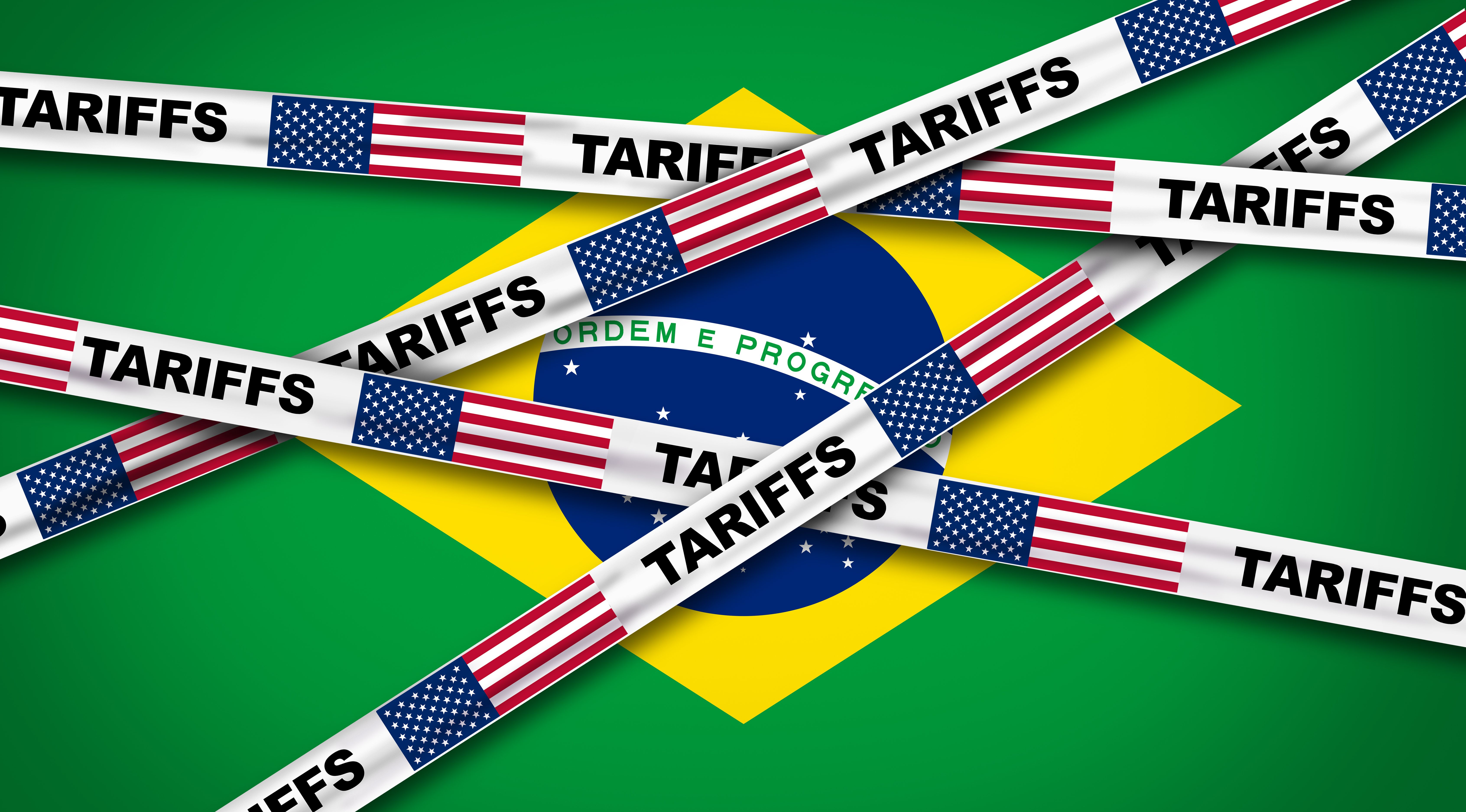
Many believe that importing goods from Brazil is prohibitively costly. This myth is often perpetuated by the perception of high tariffs and transportation costs. However, with the right logistics partners and an understanding of trade agreements, importing can be quite cost-effective.
Brazil offers competitive pricing on a wide range of products, from agricultural goods to manufactured items. Establishing a solid relationship with reliable suppliers can further reduce costs, making Brazilian imports an attractive option for businesses worldwide.

Myth 2: Brazilian Products Are Low Quality
Another common misconception is that Brazilian goods do not meet international quality standards. In reality, Brazil has stringent quality control measures in place, especially for exports. Industries such as aerospace, automotive, and agriculture adhere to international regulations to ensure high-quality outputs.
Brazil is also known for its innovation in several sectors. For example, its technology and fashion industries are gaining global recognition for quality and creativity. This myth often overlooks the substantial advancements Brazil has made in these areas.

Myth 3: Importing from Brazil Is Complicated
While importing from any foreign country involves documentation and compliance, the process of importing from Brazil is not as complex as many assume. Brazil has streamlined its export processes and offers numerous resources to assist importers.
Understanding the necessary documentation, such as invoices and certificates of origin, can simplify the process. Additionally, working with experienced customs brokers can facilitate a smooth import experience, helping to navigate any bureaucratic procedures efficiently.

Myth 4: Only Large Corporations Can Import from Brazil
It's a common belief that only big businesses can afford to import from Brazil. In truth, small and medium-sized enterprises (SMEs) are increasingly entering the market thanks to improved logistics and digital platforms that simplify international trade.
Online marketplaces and trade platforms provide SMEs with access to Brazilian suppliers, allowing them to compete with larger corporations. These digital solutions make it easier for smaller businesses to manage operations and build international partnerships.

Myth 5: Brazilian Goods Are Limited to Coffee and Sugar
While Brazil is renowned for its coffee and sugar, it offers a wide array of products for import. From high-quality beef and poultry to footwear and electronics, Brazil's diverse economy produces a variety of goods suitable for international markets.
The country's robust agricultural sector also includes soybeans, corn, and tropical fruits, while its industrial sector produces automobiles, machinery, and textiles. This diversity provides importers with numerous opportunities to source unique and high-demand products.
Myth 6: Importing from Brazil Is Time-Consuming
Concerns about long shipping times often deter businesses from importing Brazilian goods. However, advancements in logistics and transportation have significantly reduced delivery times. Many Brazilian ports are now equipped with modern facilities that expedite the shipping process.
Moreover, air freight options are available for businesses needing quicker delivery, offering flexibility depending on the urgency of the imports. Understanding the logistics options can help businesses plan accordingly and manage expectations on delivery times.

Conclusion
Debunking these myths reveals the true potential of importing Brazilian goods. By understanding the realities of cost, quality, and logistics, businesses can tap into Brazil's rich market, benefiting from its diverse product offerings and competitive advantages.
As global trade continues to evolve, staying informed and open to new opportunities can lead to successful international partnerships and growth. Whether you're a small business or a large corporation, importing from Brazil can be a strategic move worth considering.