The Strategic Advantage of Niobium: Understanding Its Role in Brazilian Exports


The Economic Significance of Niobium
Brazil stands at the forefront of the global niobium industry, holding a strategic position as the leading producer and exporter of this essential metal. Niobium is a critical component in various applications, from aerospace engineering to the automotive industry, due to its ability to enhance the strength and durability of steel. As global industries continue to innovate, the demand for niobium remains robust, making it a pivotal resource for Brazil's economic landscape.
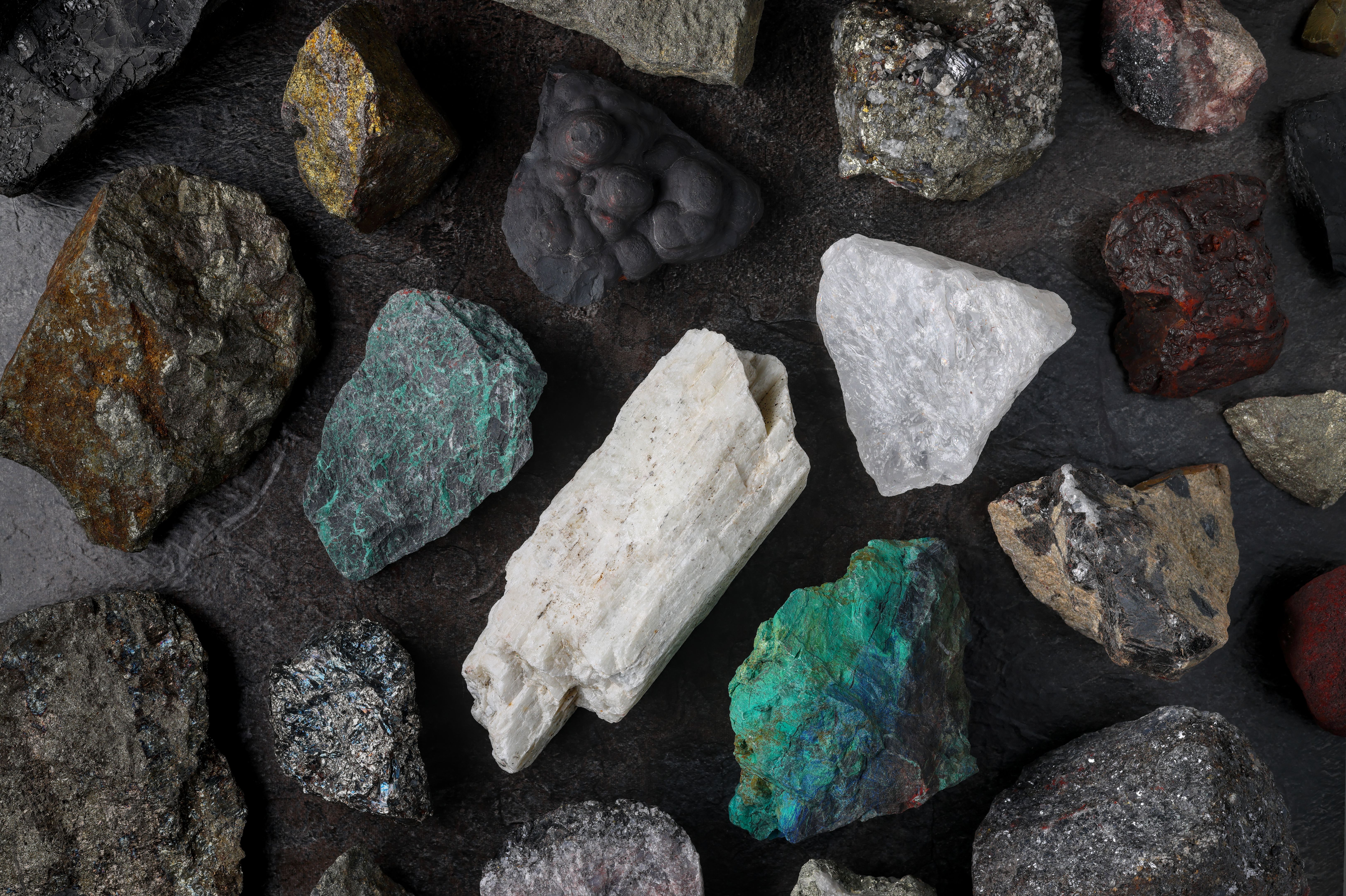
The economic impact of niobium on Brazil's exports cannot be overstated. It contributes significantly to the nation's trade balance, serving as a vital source of foreign exchange. The country's ability to dominate the niobium market gives it leverage in international trade discussions and partnerships. As industries worldwide seek lightweight, high-strength materials, Brazil's niobium reserves offer a competitive edge that is unmatched by any other nation.
Applications and Demand Drivers
Niobium's unique properties make it indispensable in several high-tech and industrial applications. In the aerospace sector, it is used to produce superalloys for jet engines, ensuring improved performance and fuel efficiency. Furthermore, niobium is crucial in the production of high-strength, low-alloy (HSLA) steels, which are essential for constructing bridges, skyscrapers, and pipelines.

The automotive industry is another significant consumer of niobium, utilizing it to create lighter yet stronger components, contributing to better fuel economy and reduced emissions. Additionally, the electronics industry leverages niobium's superconducting properties for advanced technologies such as MRI machines and particle accelerators.
Environmental and Sustainable Considerations
As the world shifts towards sustainable practices, the environmental implications of niobium mining and production have come under scrutiny. Brazil is implementing stringent regulations to ensure that niobium extraction processes minimize ecological impact. These efforts include rehabilitating mining sites and investing in technologies that reduce emissions and waste.

Moreover, the recyclability of niobium adds to its appeal as a sustainable material. As industries adopt circular economy models, the potential for recycling niobium from end-of-life products offers a path toward reducing environmental footprints while maintaining supply security.
The Future of Niobium in Global Markets
Looking ahead, the future of niobium within global markets appears promising. With continuing advancements in technology and an increasing emphasis on sustainable development, the demand for niobium is expected to grow. Brazil's capacity to supply this demand positions it strategically as a leader in the global niobium market.
Investment in research and development is crucial for maintaining Brazil's competitive advantage. By fostering innovation in niobium applications and improving mining efficiencies, Brazil can further cement its role as an indispensable player in the international arena.
Conclusion
In summary, niobium is not just a metal; it is a strategic asset that underpins Brazil's export economy. Its role in diverse industries underscores its importance and highlights Brazil's unique position in the global marketplace. As the world continues to evolve, the strategic advantage of niobium will likely expand, reaffirming its significance in both economic and sustainable development contexts.