The Role of Niobium in Global Trade: Brazil’s Strategic Advantage


Understanding Niobium
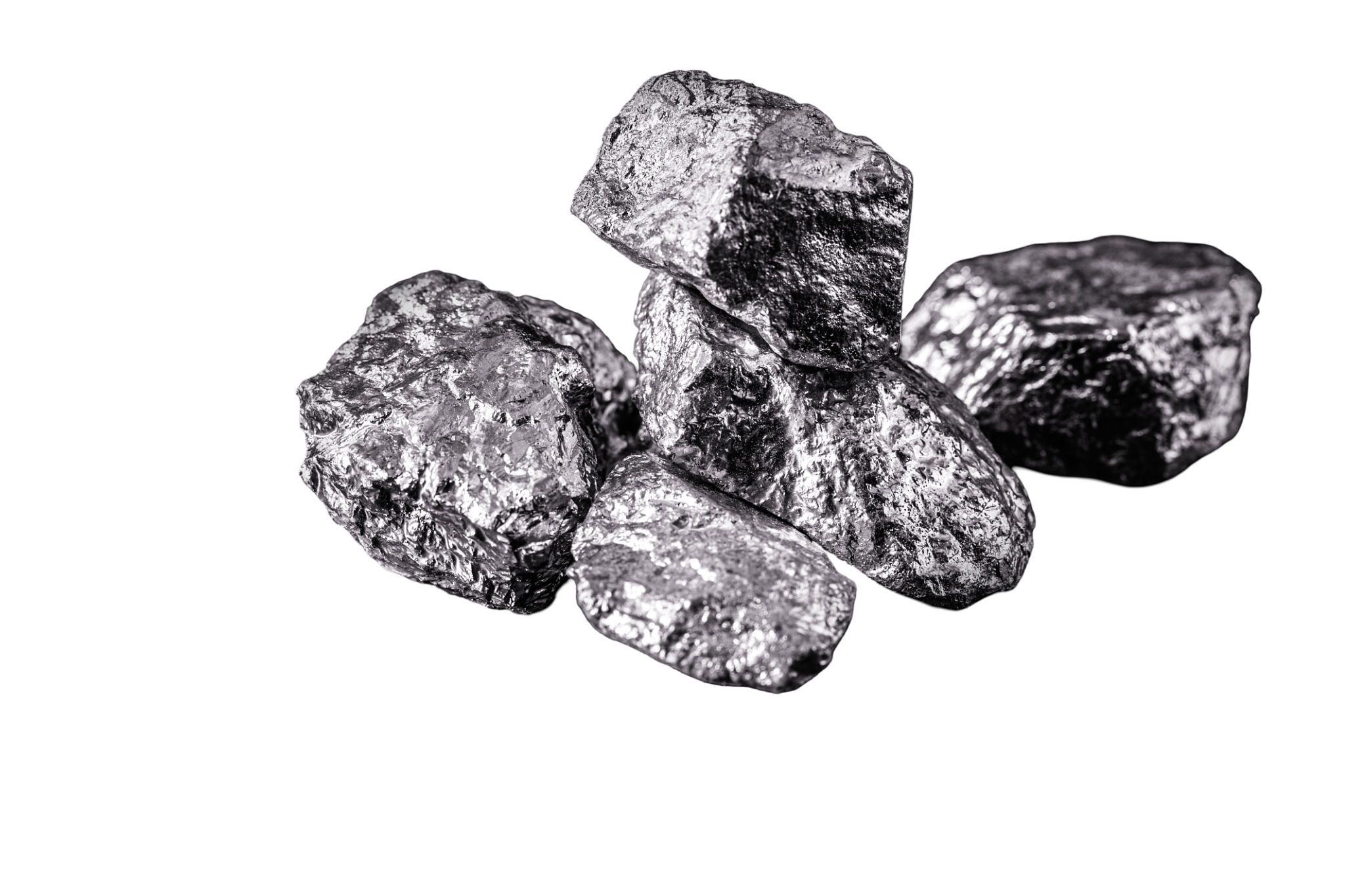
Niobium is a transition metal that plays a crucial role in various industries due to its unique properties. Known for its strength, durability, and resistance to corrosion, niobium is primarily used in the production of steel alloys and superconducting materials. Its applications extend to the aerospace, automotive, and construction sectors, making it a valuable commodity in global trade.
One of the key features of niobium is its ability to enhance the properties of steel. By adding small amounts of niobium, steel becomes significantly stronger and more resistant to wear and tear. This makes it an essential component in the manufacturing of pipelines, bridges, and other infrastructure projects.
Brazil’s Dominance in Niobium Production
Brazil holds a strategic advantage in the global niobium market, accounting for approximately 90% of the world's supply. The country’s rich reserves and efficient production processes have positioned it as the leading exporter of this valuable metal. The Araxá and Catalão mines are among the most significant sources of niobium, contributing to Brazil's dominance in the industry.
Brazil's control over such a large portion of the niobium market gives it significant leverage in international trade. This dominance allows Brazil to influence pricing and availability, benefiting its economy and providing a competitive edge in negotiating trade agreements.
Impact on Global Trade
The strategic importance of niobium in global trade cannot be overstated. As countries continue to invest in infrastructure and technology, the demand for niobium is expected to grow. Brazil's ability to supply this demand positions it as a key player in the international market.
Furthermore, the integration of niobium in high-tech industries, such as electronics and energy, highlights its significance beyond traditional uses. The metal's role in producing superconductors, which are critical for various technological advancements, underscores its importance in the global supply chain.

Challenges and Opportunities
Despite Brazil’s advantageous position, the niobium market faces challenges, including potential environmental impacts and geopolitical factors. Responsible mining practices are essential to ensure sustainable production and minimize ecological damage. Additionally, global competition and trade dynamics require Brazil to maintain its competitive edge through innovation and strategic partnerships.
On the other hand, opportunities for growth in the niobium sector are vast. As emerging markets continue to develop and existing infrastructures require modernization, the demand for high-quality steel and advanced materials will likely increase. This presents Brazil with the potential to expand its market share further.
The Future of Niobium in Brazil
Looking ahead, Brazil's role in the niobium industry is set to strengthen. Investments in research and development, coupled with sustainable mining practices, will ensure the country remains a leader in this field. By focusing on technological advancements and diversifying applications, Brazil can secure its position as a dominant force in the global niobium trade.
In conclusion, niobium's role in global trade highlights Brazil’s strategic advantage in the international market. With continued innovation and responsible practices, Brazil is well-positioned to lead the niobium industry into the future.