Seasonal Coffee Trends: What MyouD Recommends for Importers


Embracing Seasonal Coffee Trends
As coffee importers, staying ahead of seasonal trends is crucial to capturing consumer interest and optimizing sales. Understanding these trends allows importers to offer the freshest and most in-demand products. This season, coffee enthusiasts are seeking unique flavors and sustainable options that stand out in the market.
Seasonal coffee trends are influenced by various factors, including climate changes, harvest cycles, and consumer preferences. Importers can leverage these trends to diversify their offerings and meet the growing demand for specialty coffees.

Exploring Flavor Profiles
One of the most exciting aspects of seasonal coffee is the opportunity to explore diverse flavor profiles. During different times of the year, certain regions produce beans with distinctive tastes. For example, Ethiopian coffee is renowned for its fruity and floral notes, while Colombian beans offer a rich, chocolatey flavor.
Importers should consider offering a range of flavor profiles to cater to varying consumer tastes. Highlighting the origin and unique characteristics of each coffee can help create a compelling narrative for customers.

Spiced and Flavored Coffees
With the arrival of cooler months, spiced and flavored coffees become increasingly popular. Consumers enjoy the warmth and comfort these beverages provide. Think pumpkin spice, cinnamon, and nutmeg-infused blends. These seasonal favorites can be a great addition to any importer’s lineup.
Offering limited-edition seasonal blends can create a sense of urgency and exclusivity, encouraging customers to make a purchase before these products are gone.

Sustainability in Coffee Imports
Today's consumers are more environmentally conscious than ever, and sustainability in coffee production is a key consideration. Importers can appeal to this demographic by sourcing beans from farms that prioritize sustainable practices. This includes organic farming, fair trade certification, and supporting local communities.
By promoting sustainable coffee options, importers not only contribute to environmental conservation but also enhance their brand reputation among eco-conscious consumers.
Direct Trade Relationships
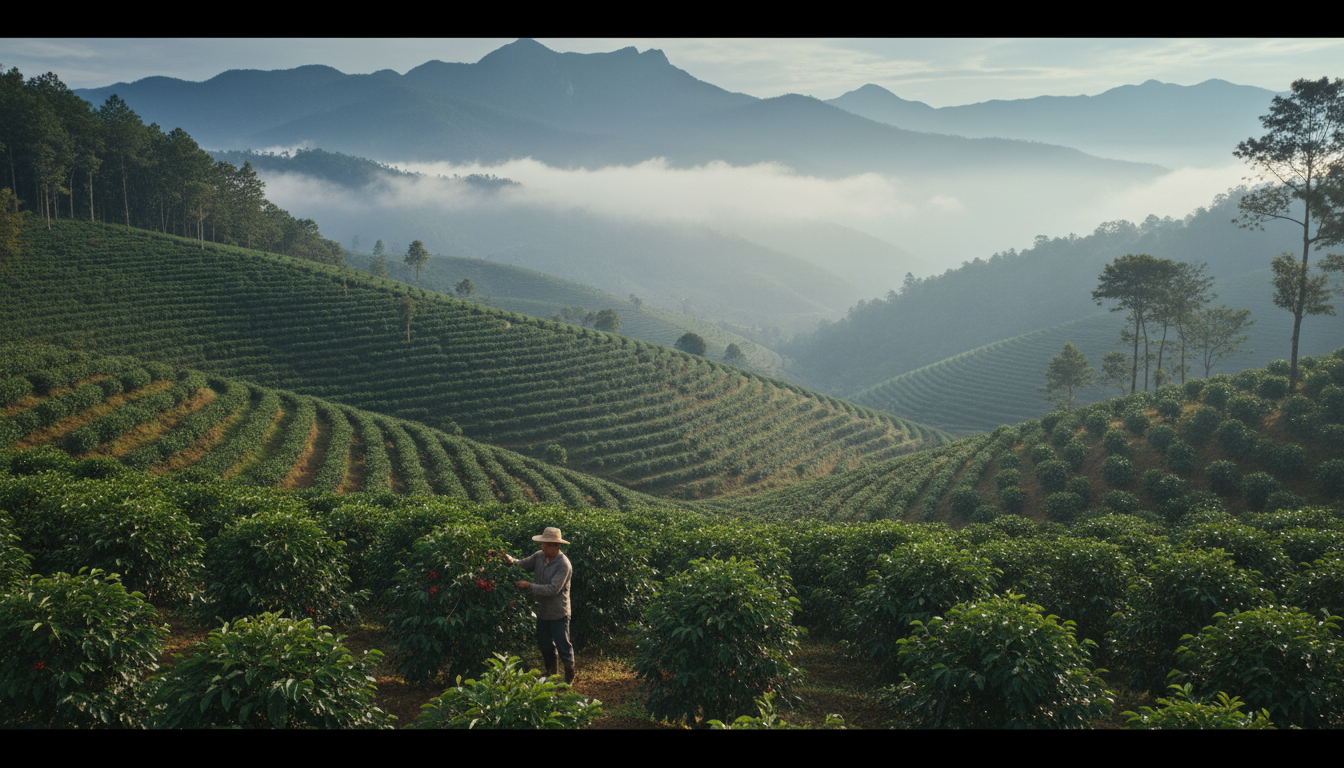
Building direct trade relationships with coffee producers can be beneficial for importers. This approach ensures higher quality beans, transparency in sourcing, and better prices for farmers. It also allows importers to share stories about the people and processes behind their coffee, adding a personal touch that resonates with customers.
Establishing strong connections with growers can lead to exclusive access to rare and exotic beans, further distinguishing an importer’s offerings.
Conclusion: Staying Ahead of Trends
Incorporating seasonal coffee trends into your import strategy can significantly boost your business. By offering diverse flavor profiles, limited-edition blends, and sustainable options, importers can meet consumer demand and build a loyal customer base.
Stay informed about the latest trends, and be ready to adapt your offerings as consumer preferences evolve. With the right approach, you can ensure your coffee imports remain relevant and desirable throughout the year.