Navigating the Import Process with Brazilian Sugar and Fruit


Brazil is renowned for its abundant natural resources, particularly its sugar and fruit production. As a major player in the global agricultural market, Brazil offers lucrative opportunities for businesses looking to import these goods. Understanding the import process can be complex, but with proper guidance, it becomes manageable and rewarding.
Understanding Brazil's Agricultural Landscape
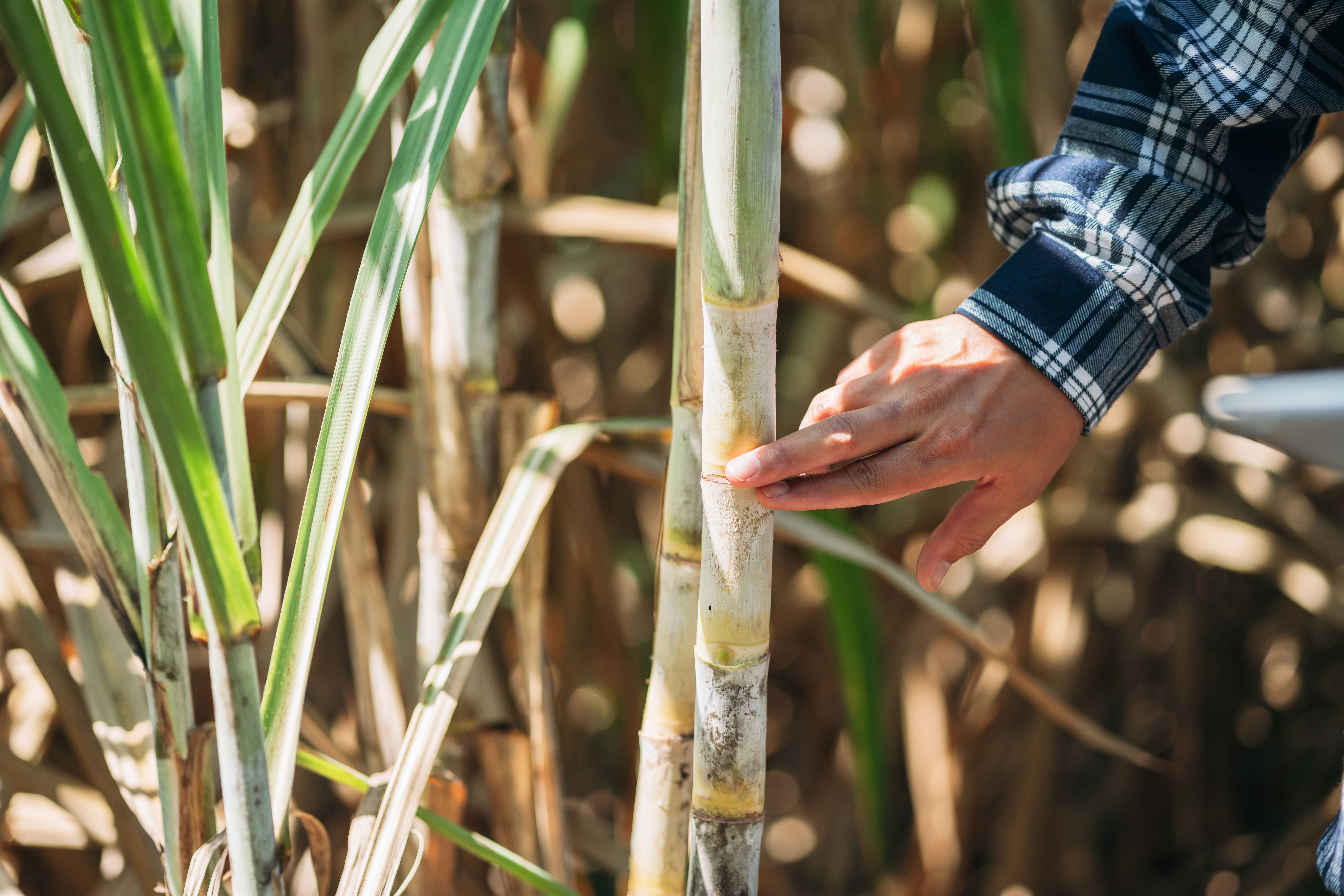
Brazil's favorable climate and vast land resources make it an ideal location for growing sugar and a variety of fruits. The country is one of the world's largest producers of sugarcane, which is a significant export commodity. Similarly, Brazil's fruit industry is thriving, with abundant production of oranges, bananas, and other tropical fruits.
The quality and diversity of Brazilian produce make it attractive to importers worldwide. However, navigating the import process requires thorough understanding and careful planning.
Key Considerations for Importing
When importing Brazilian sugar and fruits, several factors need to be taken into account:
- Regulations and Compliance: Ensure compliance with both Brazilian export regulations and your country's import laws. This includes understanding tariffs, quotas, and necessary certifications.
- Quality Standards: Verify that the products meet international quality standards. This often involves inspections and certifications from recognized bodies.
- Logistics and Transportation: Plan for efficient shipping routes and methods to maintain the freshness and quality of the produce.

Building Strong Supplier Relationships
Establishing reliable partnerships with Brazilian suppliers is crucial for a smooth import process. Consider the following steps to build strong relationships:
- Research and Vetting: Conduct thorough research to find reputable suppliers. Verify their credentials and past performance in the industry.
- Communication: Maintain clear and open communication channels. Understanding cultural nuances can also aid in building trust and rapport.
- Contracts and Agreements: Draft detailed contracts that outline terms, conditions, and expectations. This helps prevent misunderstandings and disputes.
Managing Risks and Challenges
Importing agricultural products involves inherent risks. Here are some strategies to mitigate them:
- Market Research: Stay informed about market trends and demand to make data-driven decisions.
- Risk Management: Consider insurance options to protect against unforeseen events such as natural disasters or supply chain disruptions.
- Flexibility: Be prepared to adapt to changes in regulations or market conditions.

Conclusion
Importing Brazilian sugar and fruit offers significant opportunities for businesses aiming to enhance their product offerings. By understanding the complexities of the import process and building strong supplier relationships, companies can successfully navigate this vibrant market. With careful planning and execution, the rewards of importing from Brazil can be substantial, contributing to business growth and expansion.