Navigating the Import Export Business: A Guide to Brazilian Products


The import-export business with Brazil offers an array of opportunities given its rich resources and diverse product offerings. Whether you're just starting or looking to expand your existing operations, understanding the nuances of Brazilian products can significantly enhance your business strategy.
Understanding the Brazilian Market
Brazil is one of the largest economies in the world, known for its extensive natural resources and diverse industries. The country is a major player in several sectors including agriculture, manufacturing, and technology. Engaging in trade with Brazil can open doors to new markets and products.

Key Brazilian Products for Export
Brazil is renowned for its agricultural exports. Products like coffee, soybeans, and sugar are staples of the Brazilian export market. Additionally, the country is a leading exporter of beef and poultry, making it a critical player in global food markets. For those interested in manufactured goods, Brazil also offers automobiles and machinery.
Another emerging sector is the technology industry. With a growing number of tech startups, Brazil is making strides in software development and IT services. This diversification provides ample opportunities for importers and exporters alike.
Navigating Trade Regulations
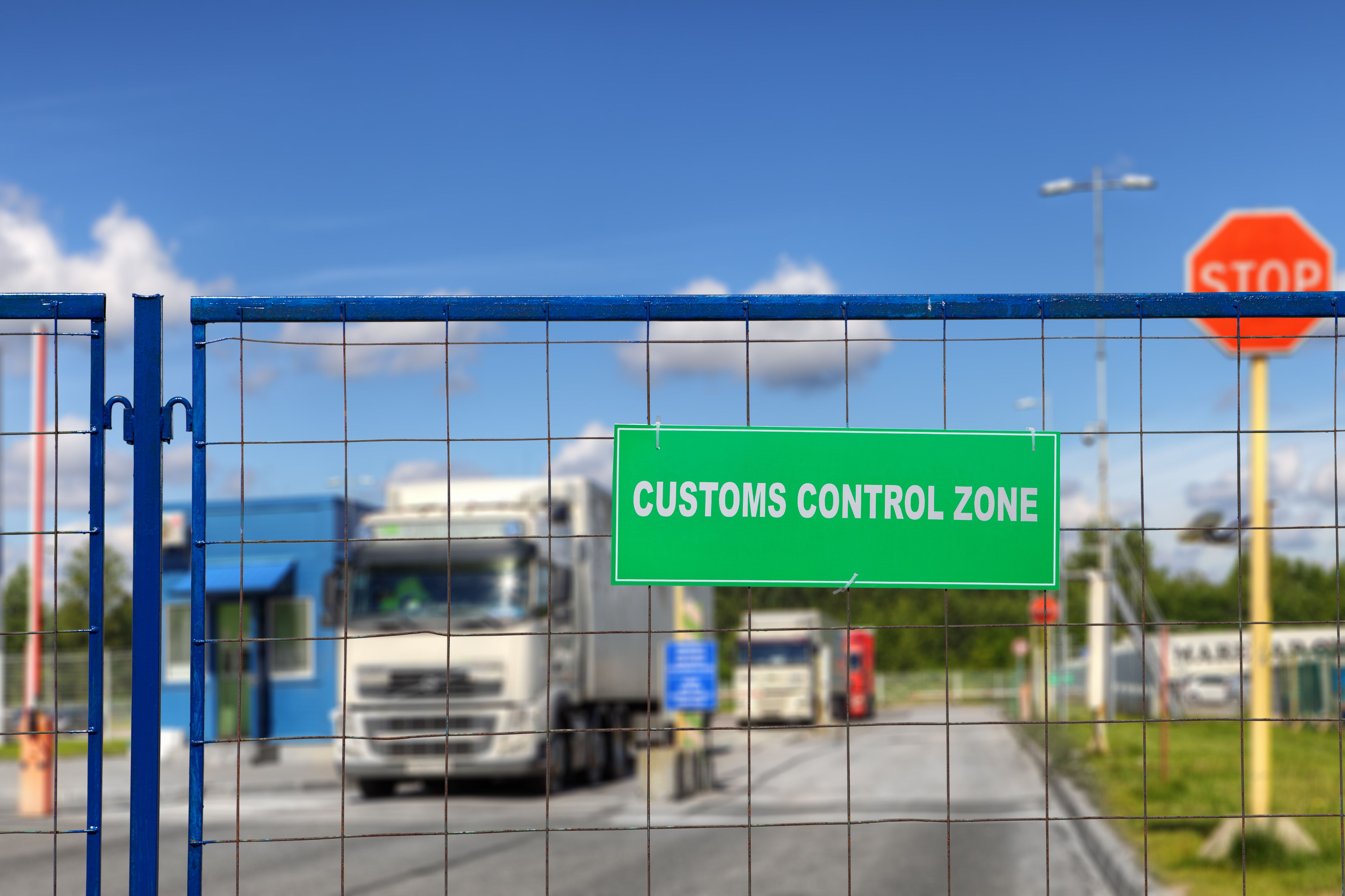
Understanding the regulatory environment is crucial when dealing with Brazilian imports and exports. Brazil has specific trade regulations that can vary depending on the type of product. Importers and exporters must familiarize themselves with tariffs, taxes, and compliance requirements to ensure smooth transactions.
Building Strong Partnerships
Successful navigation of the import-export business in Brazil often hinges on building strong relationships with local partners. Establishing connections with local distributors, manufacturers, and legal advisors can provide valuable insights and facilitate smoother operations. These partnerships can help you navigate cultural nuances and overcome language barriers.
Networking at trade shows and industry events can also be beneficial. Engaging with local chambers of commerce and trade associations can provide additional resources and support.
Logistics and Supply Chain Management
Efficient logistics and supply chain management are vital components of a successful import-export business. Brazil's vast geography presents unique challenges, but also opportunities for innovation in transportation and warehousing. Leveraging digital tools and technologies can streamline operations and enhance efficiency.
Risk Management and Mitigation
Like any international business venture, trading with Brazil involves risks such as currency fluctuations, political changes, and economic volatility. Developing a robust risk management strategy is essential. This includes using hedging techniques to manage currency risk and staying informed about the political climate.
Insurance and contingency planning can also play a crucial role in minimizing potential disruptions.
Conclusion
Entering the import-export business with Brazil offers a wealth of opportunities, but it requires careful planning and execution. By understanding the market, building strong local partnerships, and managing logistics and risks effectively, businesses can unlock the potential of Brazilian products and succeed in this dynamic landscape.