Navigating Logistics for Brazilian Imports: Tips for US Importers


When engaging in international trade, understanding the logistics of importing goods from Brazil to the United States is crucial for smooth operations. Brazil is a major exporter of commodities such as coffee, soybeans, and iron ore, making it an attractive partner for US importers. However, navigating the logistics can be complex due to various regulations and procedures.
Understanding Brazilian Export Regulations
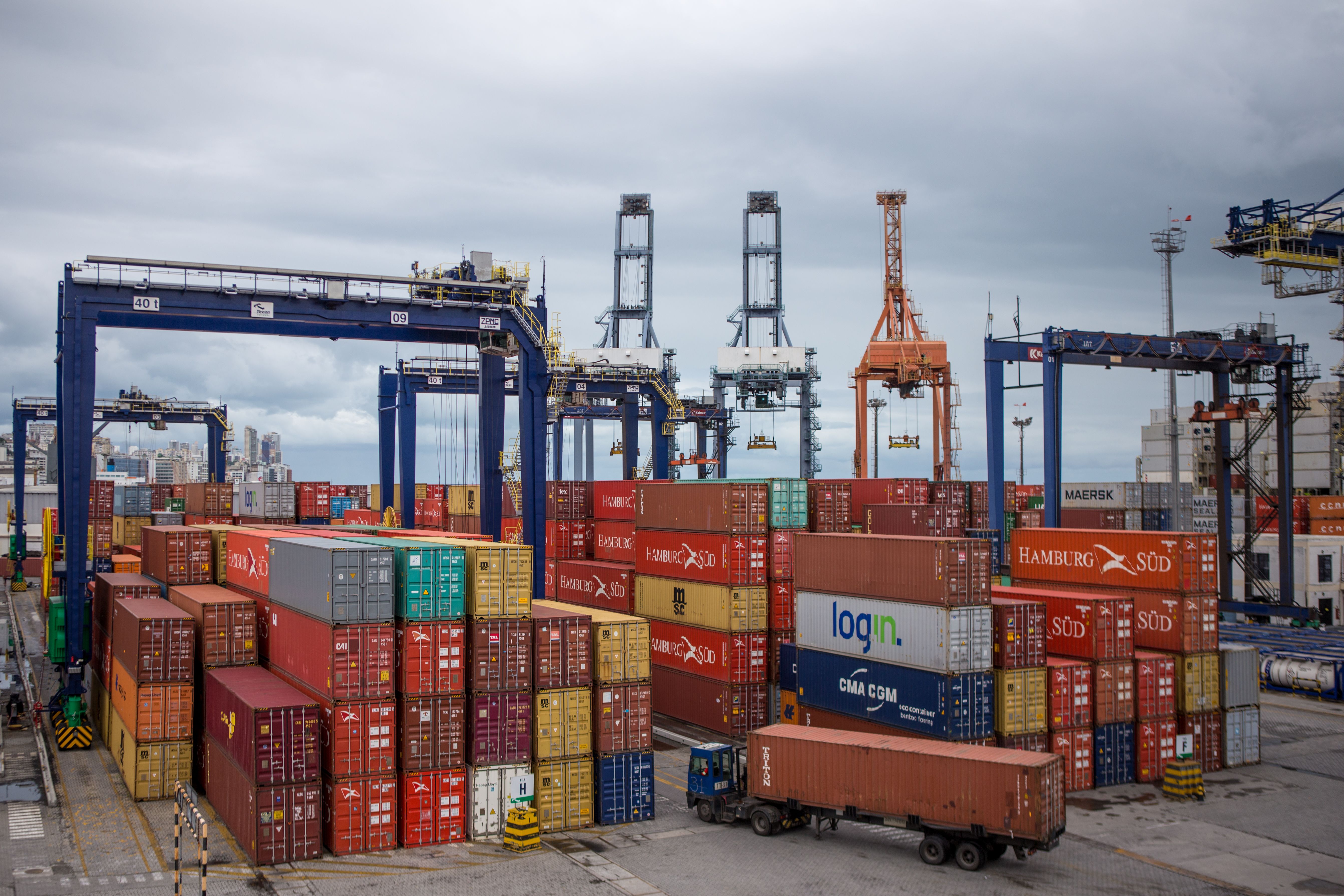
Before beginning the import process, it's essential to familiarize yourself with Brazil's export regulations. The country has specific requirements for documentation and compliance that must be met. Importers should ensure they have all necessary licenses and permits, including a Radar License, which is required for importing and exporting.
Additionally, understanding the classification of goods according to Brazil's Harmonized System (HS) codes is critical. Accurate classification ensures that the correct duties and taxes are applied. To avoid delays, work with a local expert or logistics provider familiar with Brazil's regulatory landscape.
Choosing the Right Shipping Method
Transporting goods from Brazil to the US can be done via air, sea, or a combination of both. The choice of shipping method largely depends on the type and volume of goods, as well as budget and time constraints. Sea freight is typically more cost-effective for large shipments, while air freight is faster but more expensive.
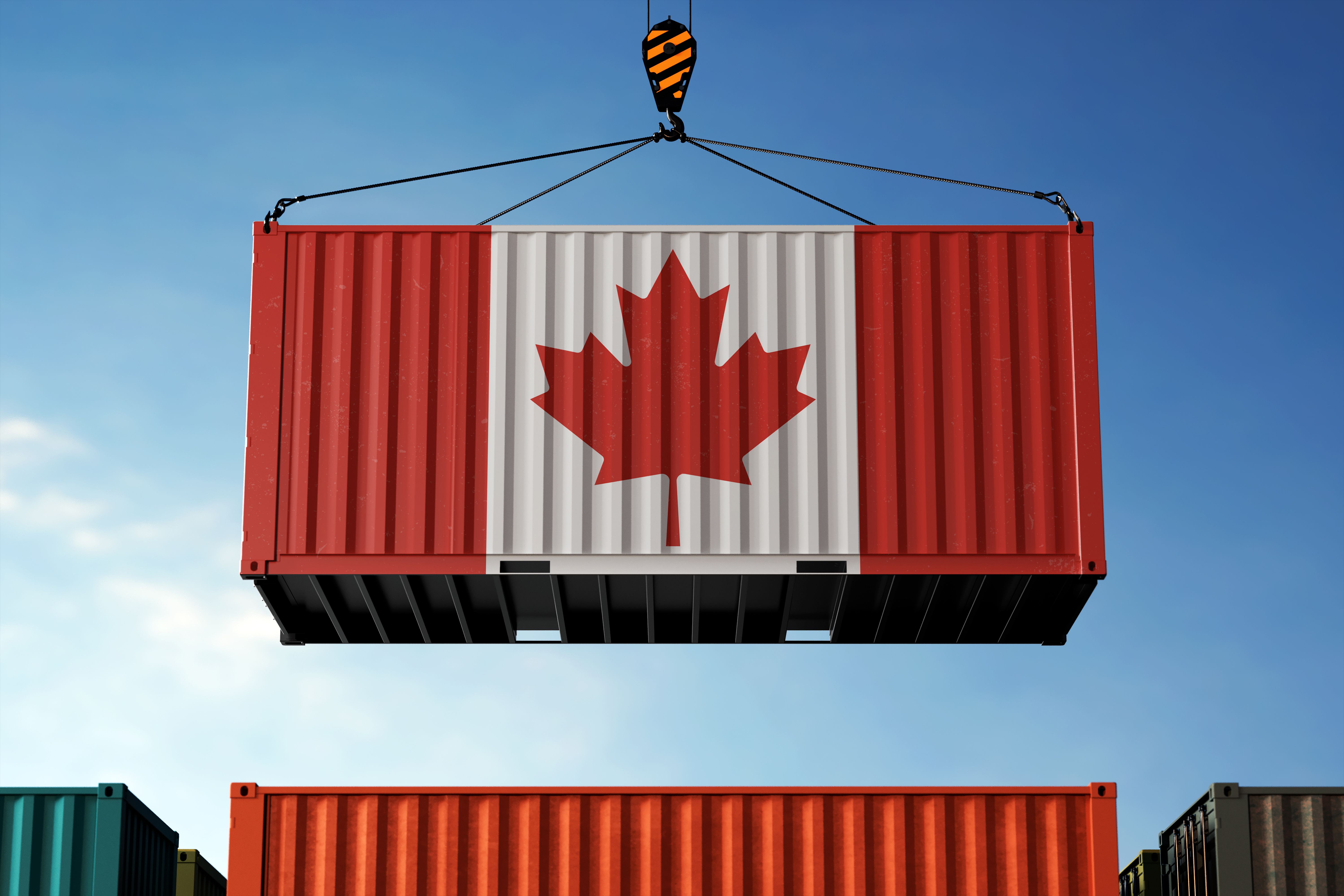
Consider the location of Brazilian ports and airports relative to your suppliers and the final destination in the US. Major Brazilian ports like Santos and Rio de Janeiro are commonly used for exports, offering robust infrastructure and services.
Managing Customs and Tariffs
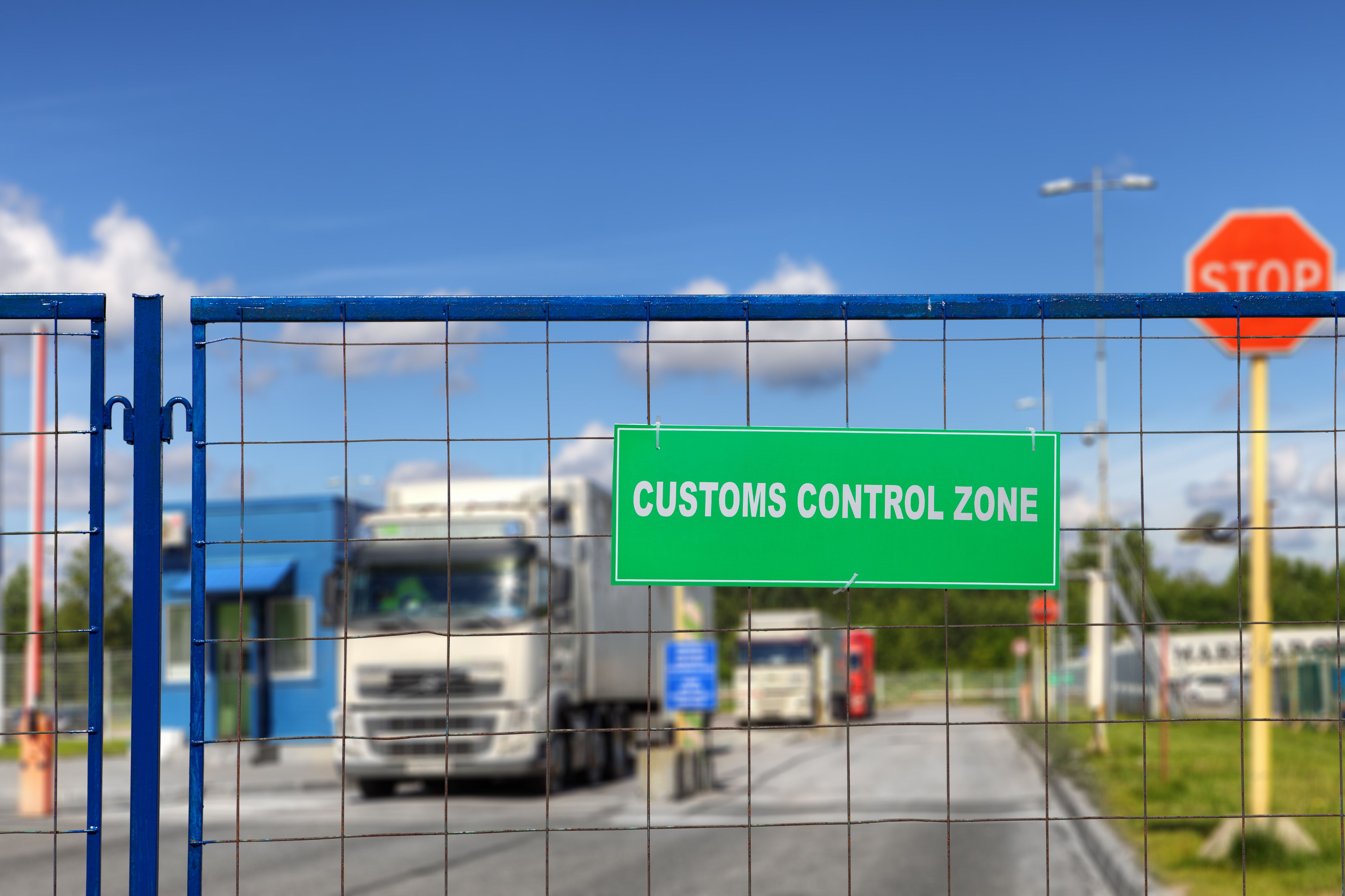
Customs clearance is a critical step in the import process. The US Customs and Border Protection (CBP) requires detailed documentation for all imports, including a commercial invoice, bill of lading, and packing list. Partnering with a customs broker can streamline this process and help navigate the complexities of tariffs and duties.
Brazil and the US have a trade relationship that can affect tariffs on specific goods. Stay informed about any trade agreements or changes in tariff regulations that may impact your imports. Proper planning and communication with customs officials can prevent costly delays and fines.
Ensuring Quality and Compliance
Quality control is paramount when importing goods from Brazil. Implement rigorous quality checks to ensure products meet US standards and regulations. This is particularly important for food and agricultural products, which must adhere to the Food and Drug Administration (FDA) guidelines.
Consider conducting regular audits of suppliers and engaging third-party inspectors to verify product quality. This proactive approach reduces the risk of receiving non-compliant goods and enhances the overall reliability of your supply chain.
Leveraging Technology for Efficient Logistics
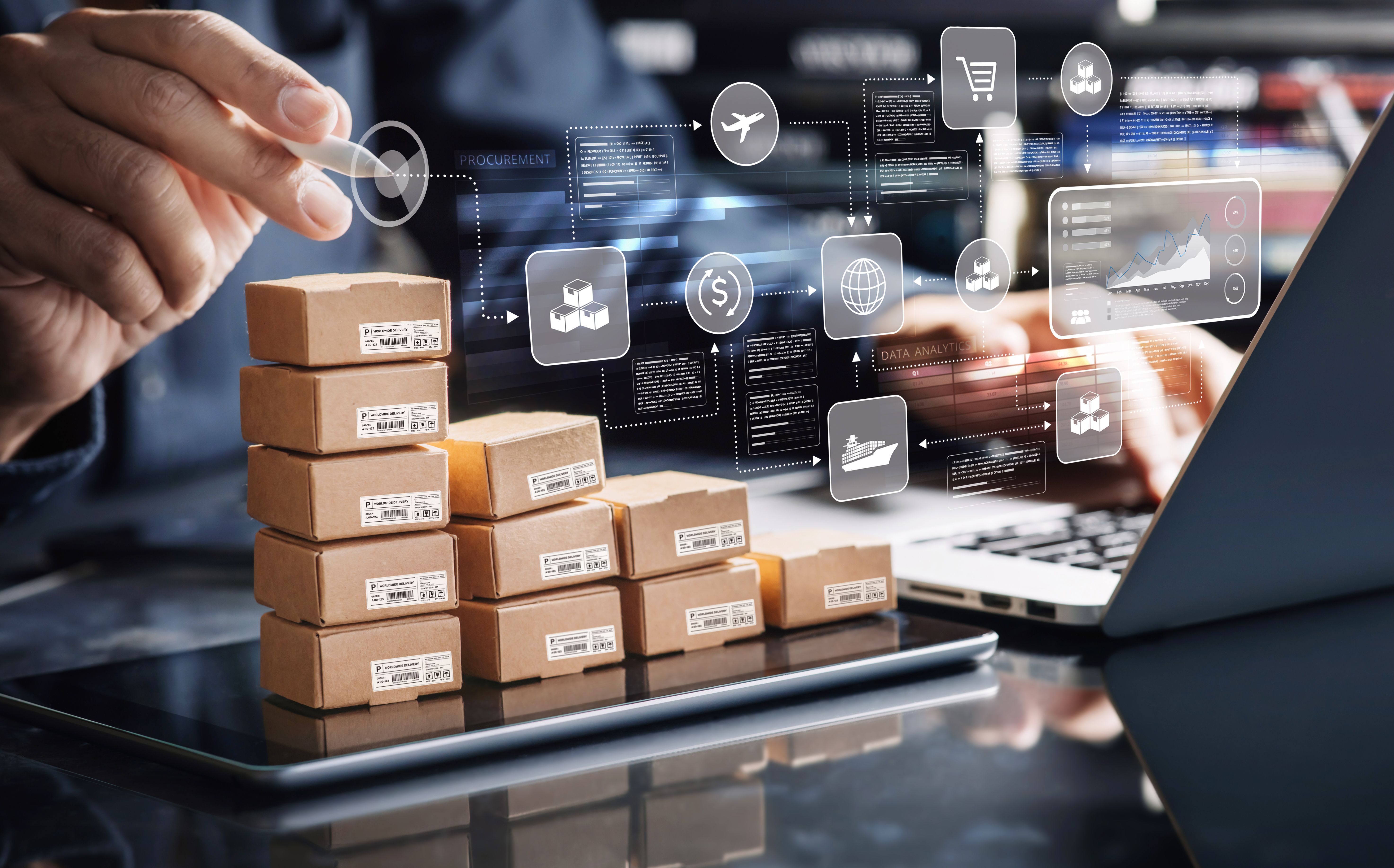
Modern technology can significantly enhance the efficiency of logistics operations. Implementing logistics management software provides real-time tracking and visibility of shipments, helping to mitigate risks and streamline communication with suppliers and logistics partners.
Utilize data analytics to forecast demand and optimize inventory levels. This not only reduces costs but also improves the ability to respond swiftly to market changes.
By understanding Brazilian export regulations, selecting the appropriate shipping methods, managing customs efficiently, and ensuring quality control, US importers can successfully navigate the logistics of Brazilian imports. Leveraging technology further enhances these efforts, leading to a more seamless and profitable import experience.