Navigating Import Export Regulations in Florida: What Duval County Businesses Need to Know


Understanding Import Export Regulations
For businesses in Duval County, Florida, navigating the complex world of import and export regulations is crucial. With Jacksonville's strategic location as a bustling port city, understanding these regulations can open up significant opportunities for growth and expansion.
Compliance with both federal and state regulations is essential to ensure smooth operations. This involves a thorough understanding of the legal requirements, documentation, and procedures that govern international trade.

Federal Regulations and Requirements
At the federal level, the U.S. Customs and Border Protection (CBP) is the primary authority overseeing import and export activities. Businesses must ensure compliance with CBP regulations, which include tariffs, duties, and other import fees.
Additionally, the Harmonized Tariff Schedule (HTS) is an important tool that businesses must use to classify their goods. Correct classification is critical to avoid penalties and ensure accurate duty payments.
State-Specific Considerations in Florida
While federal regulations are paramount, Florida has its own set of guidelines that businesses must adhere to. The Florida Department of Revenue provides specific information on state taxes and any additional fees applicable to imports and exports.
Moreover, businesses should be aware of any environmental regulations that might affect the transportation and handling of specific goods. Florida's unique ecosystem necessitates strict adherence to environmental laws to prevent any potential harm.
Navigating Duval County's Local Regulations
In Duval County, local regulations can also impact import and export activities. Businesses should engage with local authorities to ensure compliance with zoning laws and other municipal requirements.
Building relationships with local agencies can facilitate smoother operations and provide access to valuable resources and support networks.

Documentation and Record-Keeping
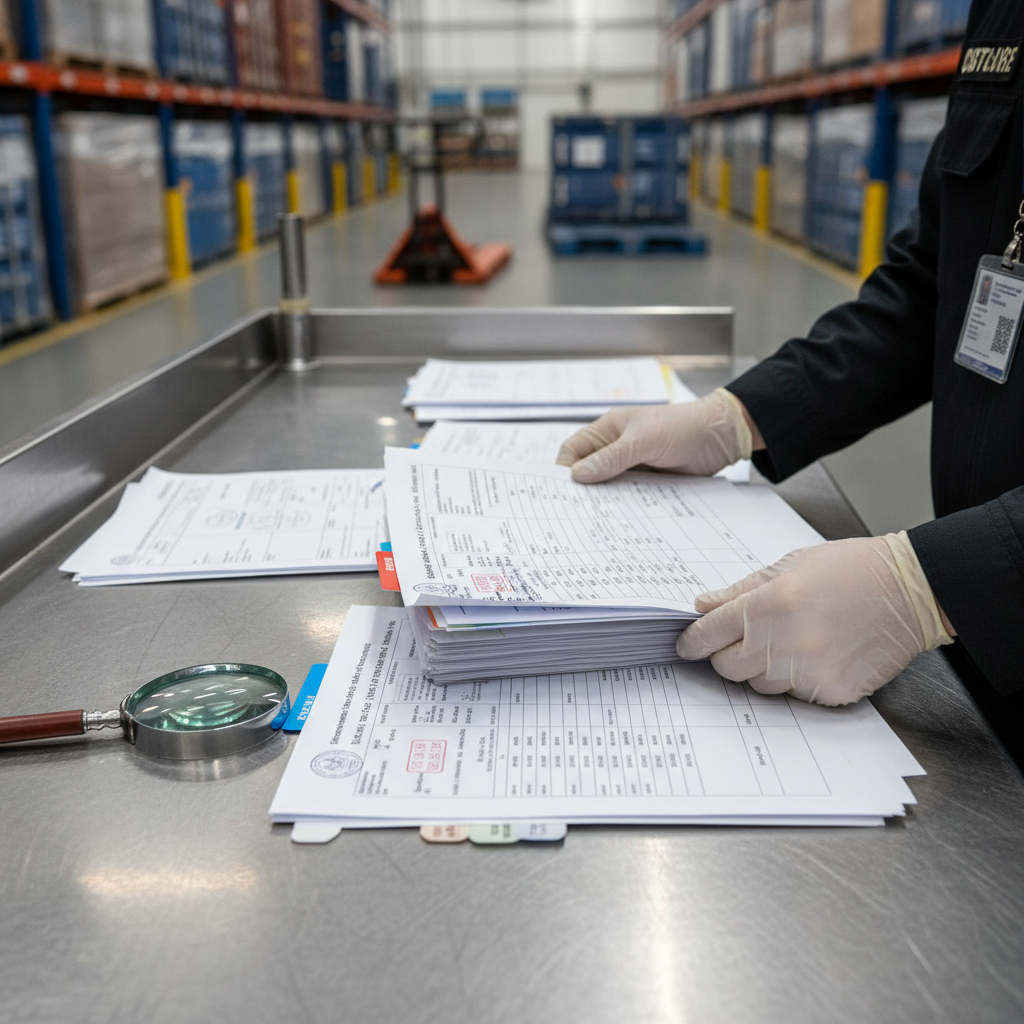
Proper documentation is a cornerstone of compliance in international trade. Key documents include bills of lading, commercial invoices, and certificates of origin. Maintaining accurate records is not only a legal requirement but also a best practice for operational efficiency.
Investing in a reliable documentation management system can streamline this process and reduce the risk of costly errors or delays.
Leveraging Professional Expertise
Given the complexity of import and export regulations, many businesses find it beneficial to consult with trade experts or legal professionals. These specialists can provide tailored advice and help navigate the intricacies of international trade laws.
Working with a customs broker can also be advantageous, as they have the expertise to handle customs clearance and ensure compliance with all necessary regulations.

Embracing Technology for Compliance
Technology plays a pivotal role in simplifying compliance with import and export regulations. There are numerous software solutions available that can automate processes, track shipments, and manage documentation efficiently.
By leveraging these technological tools, businesses can reduce the risk of non-compliance and enhance their operational capabilities.

Conclusion
Successfully navigating import and export regulations in Florida requires a comprehensive understanding of federal, state, and local laws. For businesses in Duval County, staying informed and proactive is key to leveraging the opportunities that international trade offers.
By prioritizing compliance and seeking expert guidance when necessary, businesses can position themselves for sustainable growth and success in the global market.