Navigating Brazilian Trade Regulations: Tips for Successful Imports


Understanding Brazilian Trade Regulations
Navigating the complex landscape of Brazilian trade regulations can be a daunting task for businesses looking to import goods. Brazil's regulatory environment is known for its unique challenges, including high tariffs and intricate customs procedures. To succeed, it's crucial to have a comprehensive understanding of the regulations and requirements involved.
One of the first steps is to familiarize yourself with the Brazilian tax system, which includes various duties and taxes such as the Import Duty (II), Industrialized Product Tax (IPI), and Merchandise and Service Circulation Tax (ICMS). Each of these taxes can significantly impact the cost of imported goods.

Preparing for Documentation and Compliance
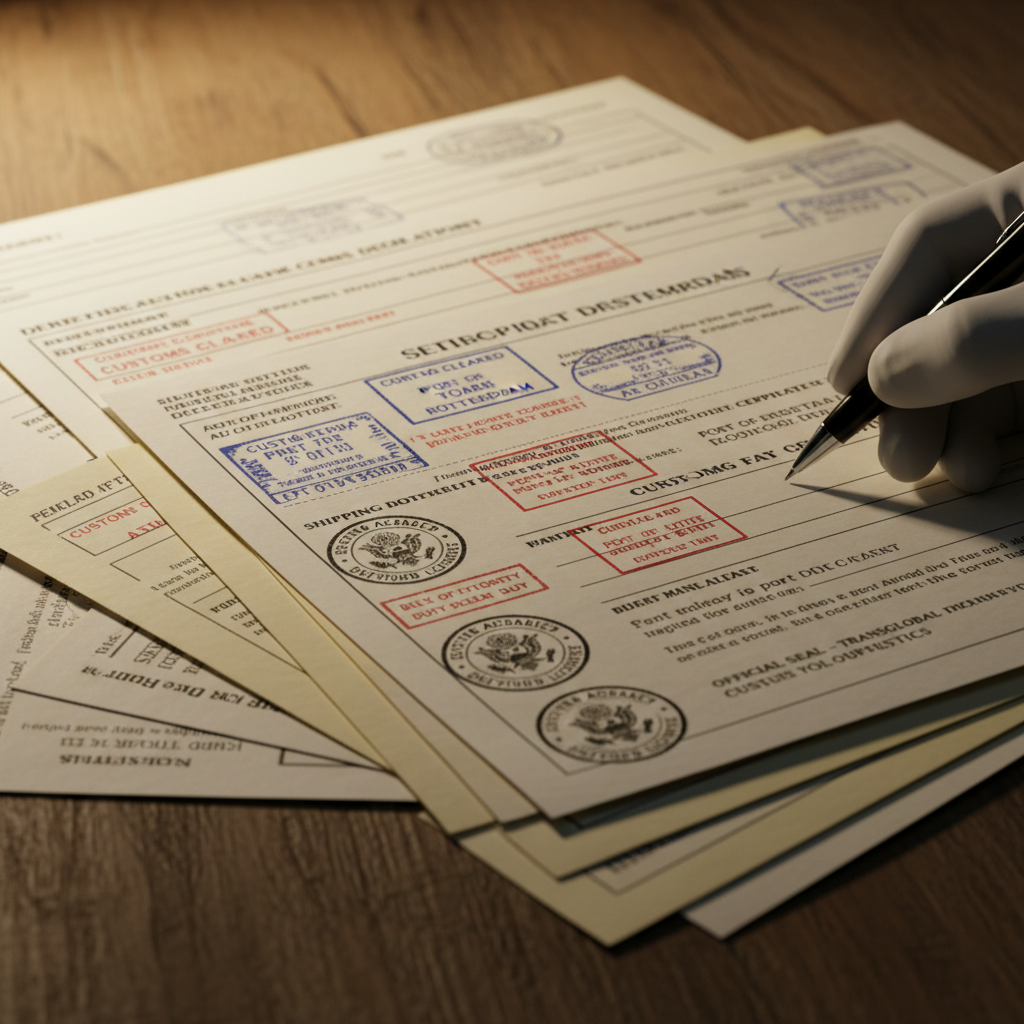
Proper documentation is essential for a smooth import process. Importers must prepare an Import Declaration (DI) and a Simplified Import Declaration (DSI), among other documents. It's also crucial to ensure that all products comply with Brazilian standards and certifications.
Working with a qualified customs broker can be beneficial. These professionals are well-versed in local regulations and can assist with paperwork, ensuring compliance and avoiding costly delays. Additionally, staying informed about changes in regulations can help you adapt quickly and maintain compliance.
Leveraging Trade Agreements and Partnerships
Brazil has trade agreements with several countries, which can offer reduced tariffs and better trade terms. Leveraging these agreements can provide a competitive edge. It's advisable to explore partnerships with local businesses that understand the market dynamics and can provide valuable insights.
Participating in trade missions and exhibitions can also open doors to new opportunities. Networking with local businesses and government officials can provide useful connections and insights into the Brazilian market.

Navigating Import Tariffs and Taxes
Understanding the tariff classification of your products is critical. Tariff rates vary depending on the product category, and misclassification can lead to penalties. Utilizing the Harmonized System (HS) codes correctly can ensure accurate tariff assessment.
It's also important to monitor changes in tariff regulations. Brazil frequently updates its policies, and staying informed can help you take advantage of any favorable changes or avoid potential pitfalls.

Utilizing Technology for Efficient Imports
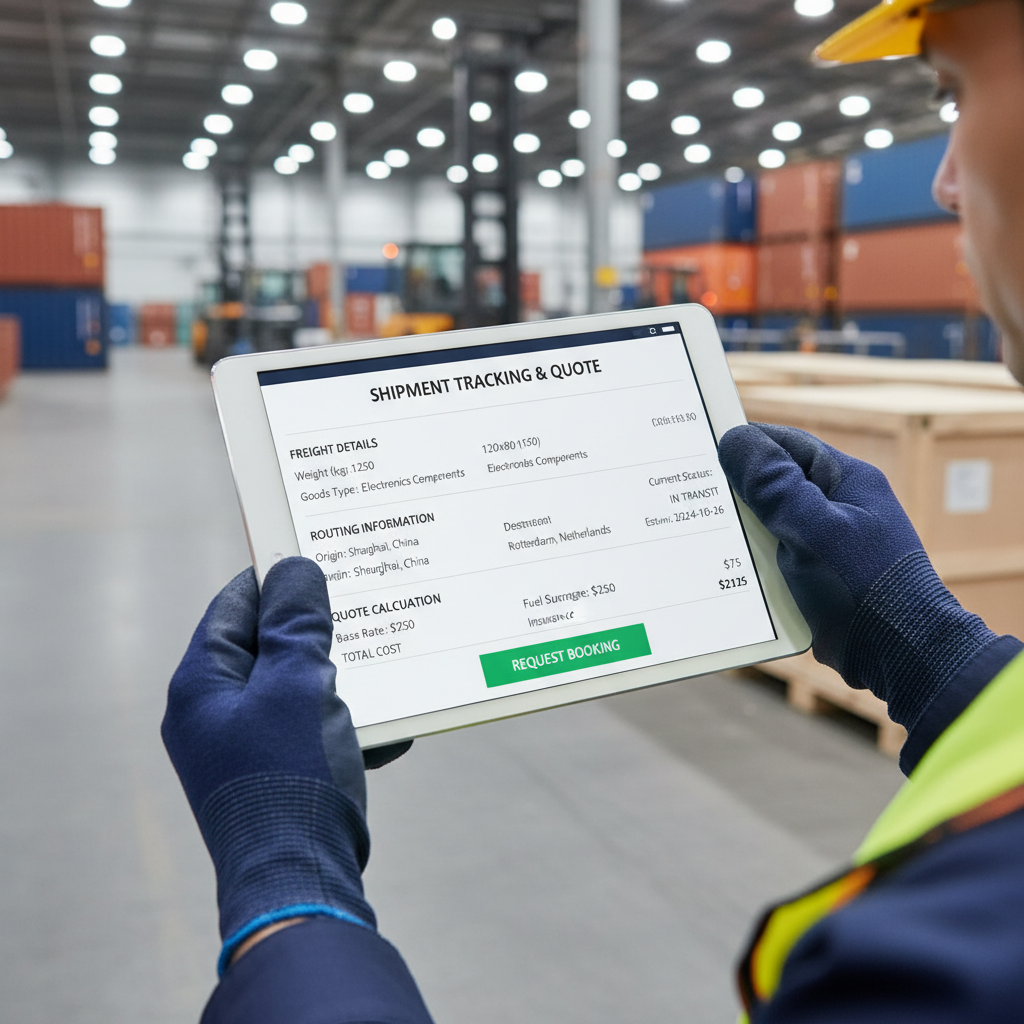
Technology can play a significant role in streamlining the import process. Investing in software solutions for supply chain management and customs compliance can enhance efficiency and reduce errors. Many platforms offer real-time tracking and analytics, providing valuable insights into your import operations.
Additionally, digital tools can help manage documentation and communication with customs officials, reducing the likelihood of delays. Embracing technology can lead to more effective and successful import strategies.