Myths About Brazilian Imports: What Every US Business Should Know


When it comes to importing goods from Brazil, many US businesses often encounter a variety of myths and misconceptions. These myths can deter companies from exploring valuable opportunities in the Brazilian market. Understanding the truth behind these myths can help businesses make informed decisions and tap into new growth avenues.
Myth 1: Brazilian Imports Are Too Expensive
One common misconception is that products imported from Brazil are prohibitively expensive due to high tariffs and shipping costs. While it's true that some import duties can be significant, they are not universally prohibitive. Many Brazilian products remain competitively priced, especially when considering quality and uniqueness.
Moreover, Brazil offers a wide range of products that cater to different price points. Businesses can often negotiate favorable terms and take advantage of trade agreements that reduce or eliminate tariffs.
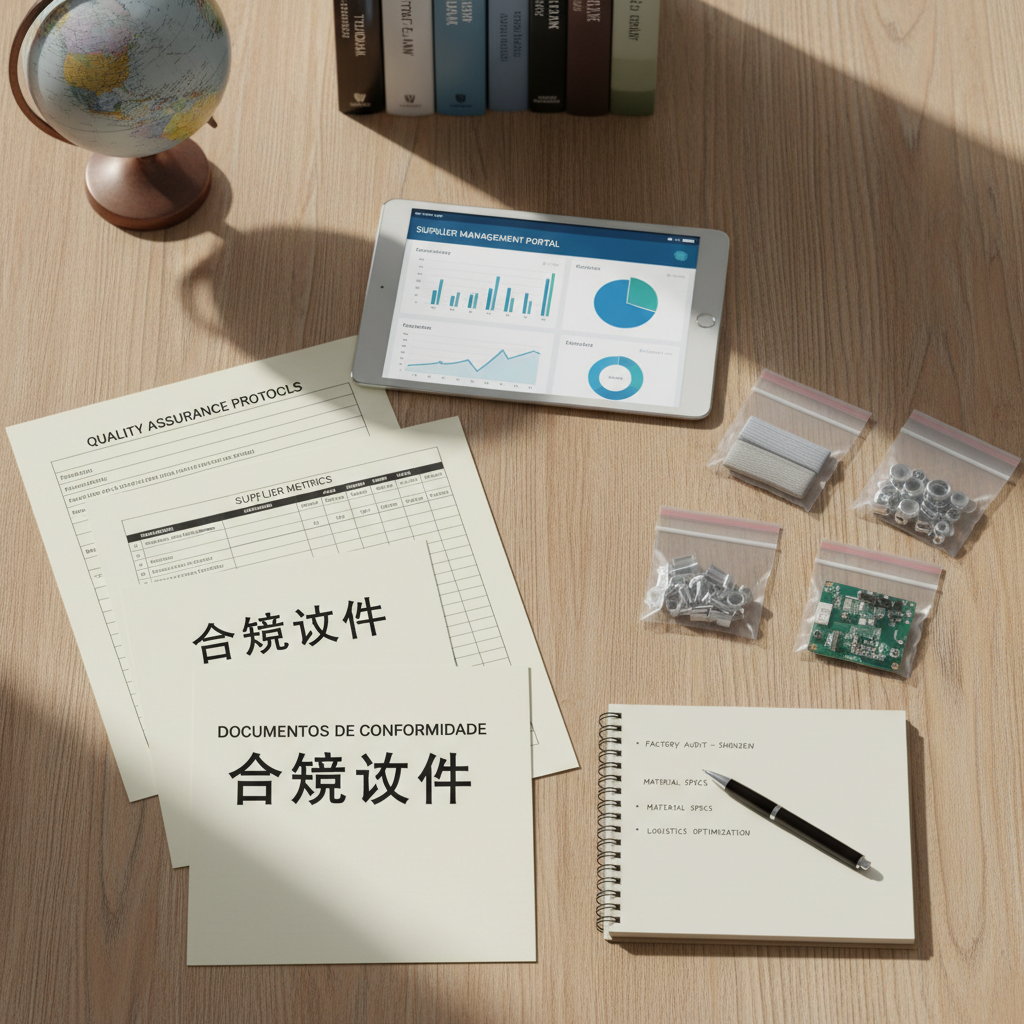
Myth 2: Quality Control Is Lacking in Brazilian Products
Another myth surrounding Brazilian imports is that they suffer from poor quality control. In reality, Brazil has made significant strides in improving the quality of its exports. Many Brazilian manufacturers adhere to international standards and certifications, ensuring that their products meet the expectations of global markets.
Companies interested in Brazilian imports can protect themselves by conducting thorough research and working with reputable suppliers who have a track record of quality and reliability.
Myth 3: The Import Process Is Complicated and Bureaucratic
The belief that importing from Brazil is overly complex and bureaucratic is another common myth. While there are regulations to follow, the process is not insurmountable. With proper guidance and expertise, businesses can navigate Brazilian import procedures smoothly.
Working with experienced import/export consultants or freight forwarders can simplify the process, ensuring compliance with all necessary regulations and paperwork.

Myth 4: Language Barriers Make Business Difficult
Some businesses fear that language barriers will impede effective communication when dealing with Brazilian partners. Although Portuguese is the official language of Brazil, many Brazilian businesses are proficient in English, particularly those involved in international trade.
Utilizing translators or bilingual employees can further mitigate any communication challenges, making it easier to establish strong business relationships.
Myth 5: Political Instability Affects Trade
Concerns about political instability often deter businesses from considering Brazilian imports. However, it's important to note that Brazil has a robust and resilient economy, with a strong export sector that continues to thrive despite political changes.
Staying informed about the political landscape and working with knowledgeable local partners can help businesses manage any potential risks associated with political shifts.

In conclusion, dispelling these myths is crucial for US businesses looking to explore the Brazilian market. By understanding the realities of Brazilian imports, companies can make informed decisions, seize new opportunities, and potentially gain a competitive edge in their respective industries.