Myth-Busting: Common Misconceptions About Brazilian Exporters


Understanding Brazilian Exporters
When it comes to global trade, Brazil is a major player, yet numerous misconceptions persist about its exporters. These myths can obscure the reality of how Brazilian businesses operate and thrive in the international market. By debunking these common misconceptions, we can gain a clearer understanding of the strengths and capabilities of Brazilian exporters.

Myth 1: Brazilian Exports Are Limited to Coffee and Sugar
A pervasive myth is that Brazil's exports are dominated solely by coffee and sugar. While these commodities are indeed significant, Brazil's export portfolio is diverse. The country is a leading exporter of soybeans, beef, iron ore, and aircraft. This diversity showcases Brazil's capacity to cater to various sectors and markets worldwide.
The agricultural sector remains vital, but technology and industry have also made significant strides. Companies like Embraer have positioned Brazil as a key player in the aerospace industry, demonstrating the country's prowess beyond traditional agricultural exports.

Myth 2: Brazilian Exporters Face Insurmountable Bureaucracy
Another common misconception is that Brazilian exporters are bogged down by excessive bureaucracy. While it's true that navigating the regulatory landscape can be challenging, initiatives have been implemented to streamline processes. The Brazilian government has made concerted efforts to simplify export procedures, which has significantly improved the ease of doing business.
The introduction of digital platforms and trade facilitation measures has reduced paperwork and expedited trade operations, making it easier for businesses to connect with international partners and markets.

Myth 3: Brazilian Products Lack Quality Standards
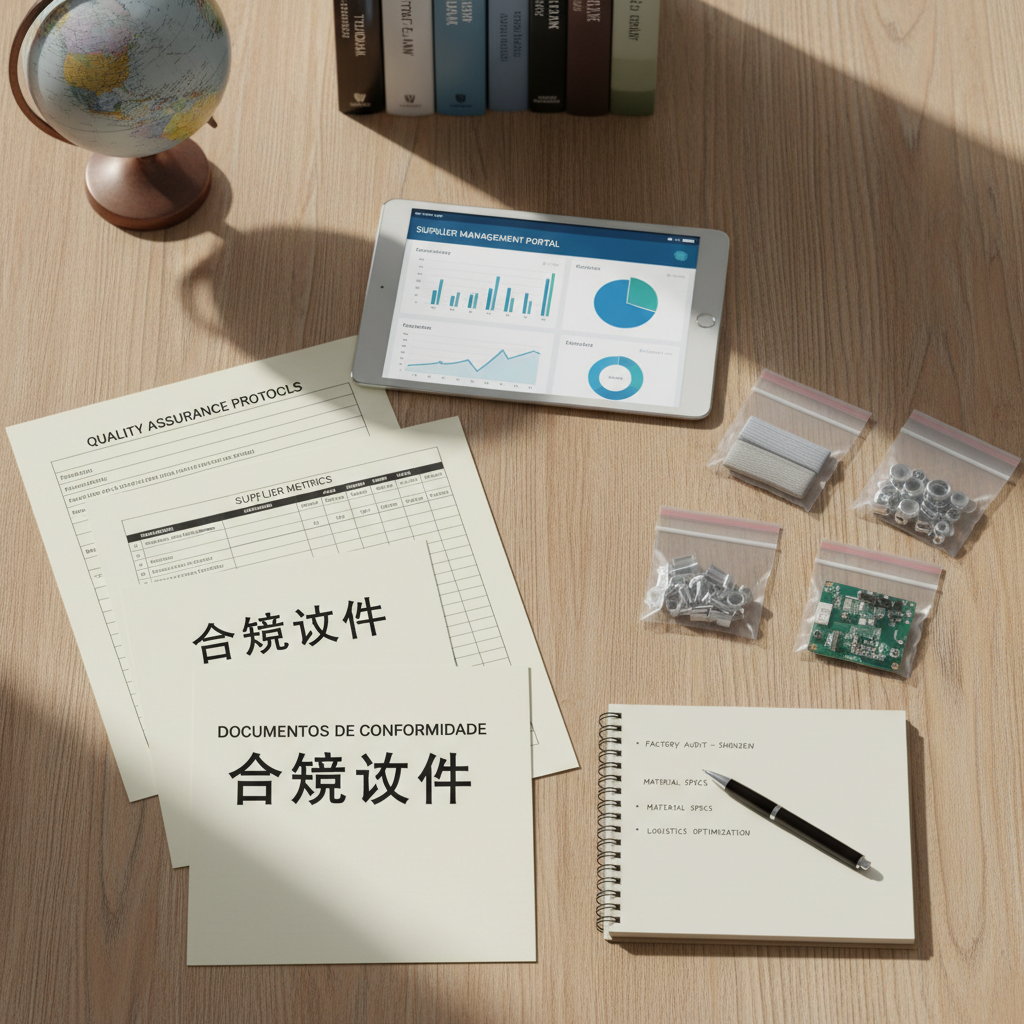
Some believe that Brazilian products fall short in terms of quality standards. However, Brazilian exporters have consistently met and often exceeded international quality benchmarks. Many sectors, particularly in agriculture and manufacturing, adhere to rigorous standards to ensure product excellence.
Brazilian companies invest in research and development to enhance their offerings, ensuring they remain competitive globally. Quality certifications and compliance with international regulations further underscore the commitment to delivering superior products.
Myth 4: Brazilian Export Markets Are Limited
It is often assumed that Brazilian exporters have a limited market reach. In reality, Brazil maintains trade relationships across the globe, exporting to diverse regions including North America, Europe, Asia, and Africa. This extensive network enables Brazilian businesses to tap into a wide array of market opportunities and customer bases.
The country's strategic geographic location and robust trade agreements further facilitate access to international markets, allowing exporters to expand their footprint and capitalize on global demand.
Conclusion: Embracing the Reality of Brazilian Exporters
By dispelling these myths, we can appreciate the dynamic and multifaceted nature of Brazilian exporters. Brazil's entrepreneurial spirit, coupled with government support and global partnerships, positions the country as a vital contributor to the global economy. Understanding the true capabilities and achievements of Brazilian exporters allows us to recognize their significant role in shaping international trade.