Logistics for Brazilian Imports: Streamlining Your Supply Chain


In the complex world of international trade, Brazil stands out as a vibrant market teeming with opportunities. However, navigating the logistics of Brazilian imports requires a strategic approach to ensure a seamless integration into your supply chain. By focusing on key areas, businesses can streamline operations and boost efficiency.
Understanding the unique aspects of Brazilian logistics is crucial. From customs regulations to the diverse transportation infrastructure, each element requires careful consideration. Establishing a well-coordinated plan can help mitigate potential challenges and capitalize on this dynamic market.

Customs Regulations and Compliance
One of the primary hurdles in Brazilian imports is navigating the intricate customs regulations. With strict compliance requirements, businesses must ensure all documentation is accurate and complete. This includes invoices, packing lists, and certificates of origin. Partnering with a knowledgeable customs broker can be invaluable in this process, helping to avoid costly delays and fines.
Moreover, understanding the Mercosur Common Nomenclature (NCM) codes is essential for proper classification of goods. Accurate categorization ensures the correct application of tariffs and taxes, optimizing your import costs.
Efficient Transportation Options
Brazil's vast geography presents unique challenges in transportation. From bustling ports to extensive road networks, selecting the right mode of transport is critical. Coastal shipping and inland waterways offer alternative solutions to traditional trucking routes, often providing cost-effective and efficient options.

Investing in a reliable logistics partner with local expertise can significantly enhance your supply chain. These partners offer insights into the best transportation routes and methods, ensuring timely delivery of goods.
Warehouse and Distribution Strategies
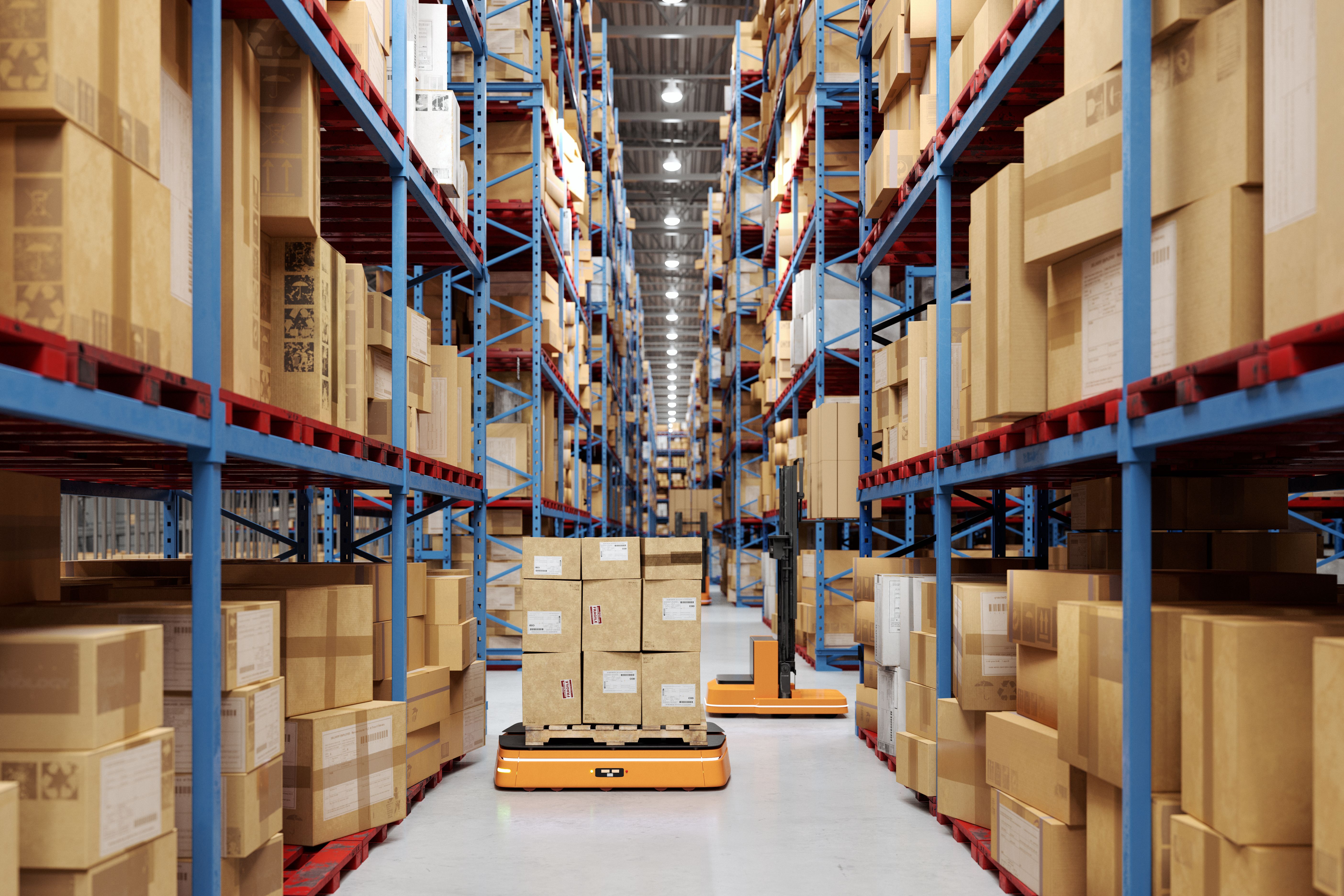
Effective warehousing and distribution strategies are essential for managing Brazilian imports. Strategically located warehouses allow for efficient distribution across the country, reducing lead times and improving customer satisfaction. Consider leveraging technology and automation to enhance inventory management and streamline operations.
Additionally, employing a robust inventory management system can aid in tracking stock levels, predicting demand, and optimizing order fulfillment. This not only reduces costs but also maximizes the efficiency of your supply chain.
Leveraging Technology for Supply Chain Optimization
Incorporating technology into your logistics strategy can significantly improve your supply chain operations. From real-time tracking systems to data analytics, digital tools provide insights that drive decision-making and efficiency. Implementing these technologies can lead to better demand forecasting and inventory management.
Furthermore, utilizing cloud-based platforms enhances collaboration among supply chain partners, ensuring seamless communication and coordination. This connectivity helps in anticipating potential disruptions and adapting strategies accordingly.
Building Strong Partnerships
Establishing strong partnerships with local businesses and logistics providers is vital for navigating the Brazilian import landscape. These relationships foster trust and collaboration, providing valuable insights and resources. Networking with industry experts and attending trade events can open doors to new opportunities and partnerships.

In conclusion, streamlining your supply chain for Brazilian imports involves a blend of strategic planning, compliance, and technology. By understanding the nuances of the Brazilian market and leveraging local expertise, businesses can effectively manage logistics and capitalize on this promising market.