Logistics for Brazilian Imports: Expert Tips for Smooth Operations


The Brazilian import market offers immense opportunities, but navigating its logistics can be a complex task. Understanding the nuances of import procedures, regulations, and best practices is crucial for ensuring smooth operations.
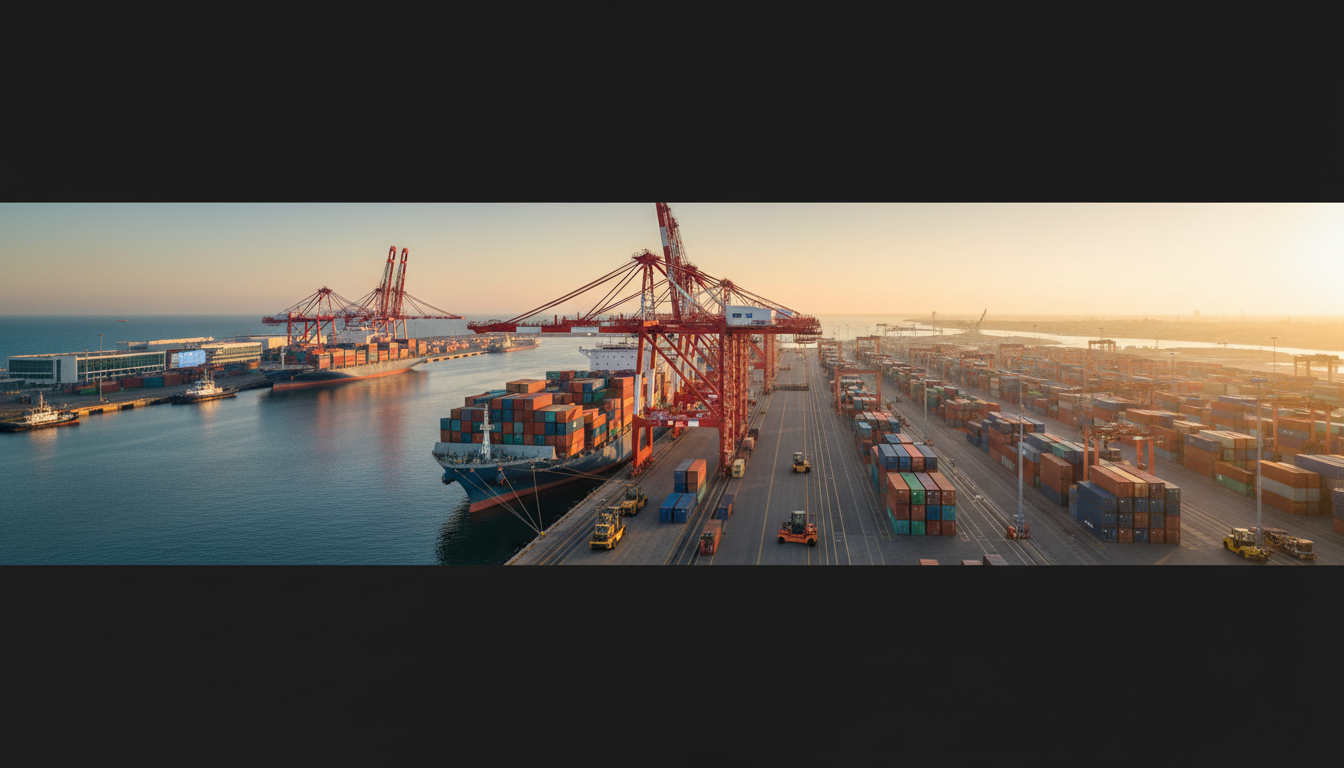
Understanding Brazilian Import Regulations
One of the critical aspects of importing into Brazil is grasping the regulatory framework. The country has specific requirements for documentation, tariffs, and compliance. Ensuring that all paperwork is accurate and complete can prevent costly delays.
Businesses must be familiar with the Brazilian Tax System, including the Import Duty, Industrialized Product Tax (IPI), and the Merchandise and Service Circulation Tax (ICMS). These taxes can significantly impact the total cost of goods.

Efficient Supply Chain Management
Efficient supply chain management is essential for reducing costs and improving delivery times. Partnering with reliable freight forwarders and logistics providers who are experienced in Brazilian imports can streamline operations.
Consider implementing a robust supply chain management system that allows for real-time tracking and inventory management. This technology can enhance visibility and control over your shipments, reducing the risk of unexpected disruptions.
Choosing the Right Incoterms
Incoterms define the responsibilities of buyers and sellers in international trade. Choosing the right Incoterms for your business can optimize your logistics strategy. Popular choices for Brazilian imports include CIF (Cost, Insurance, and Freight) and FOB (Free on Board), each offering different levels of cost and risk distribution.
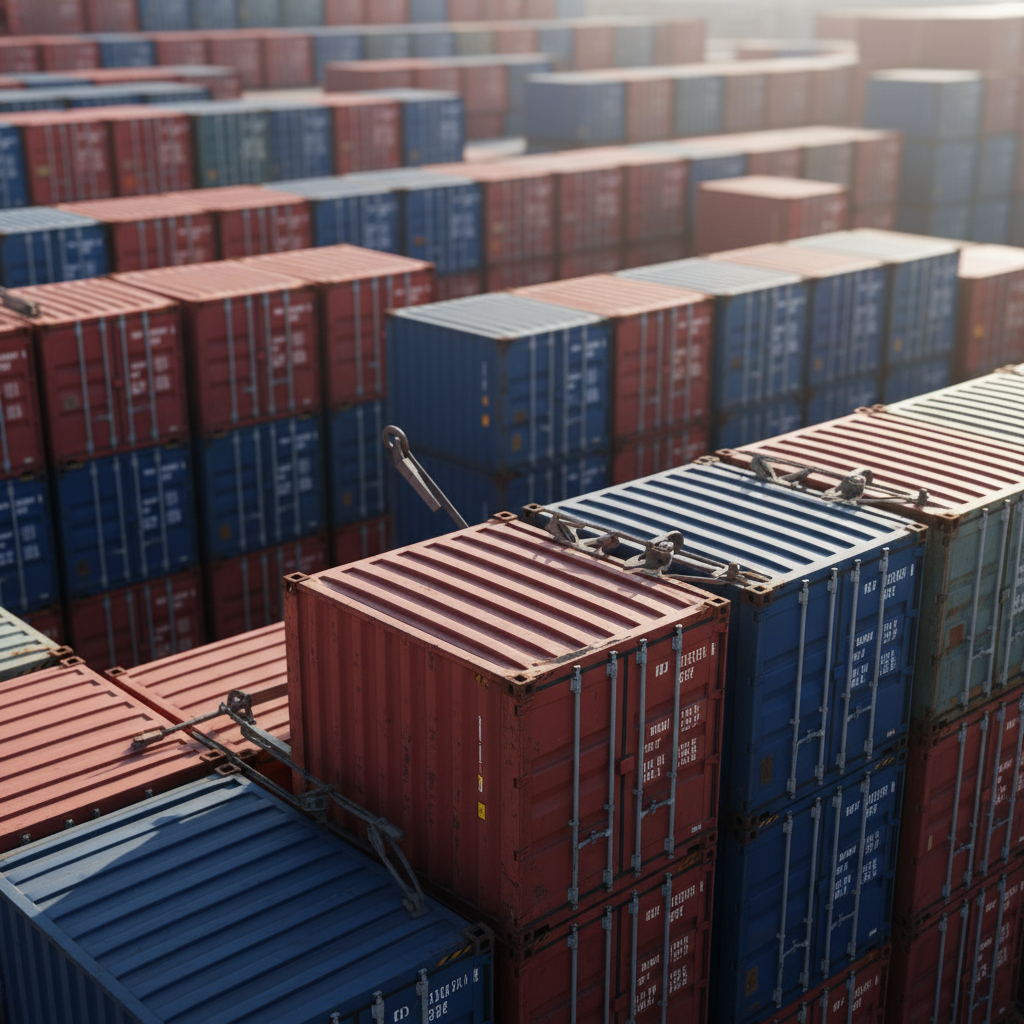
Building Relationships with Local Partners
Building strong relationships with local partners, such as customs brokers and logistics companies, can simplify the import process. These partners can provide valuable insights into local market conditions and regulatory changes.
Networking with local businesses can also open doors to new opportunities and collaborations. Attending trade shows and industry events in Brazil can be an effective way to establish and nurture these connections.
Leveraging Technology for Logistics Optimization
Technology plays a crucial role in modern logistics. Utilizing digital platforms for documentation, tracking, and communication can enhance efficiency. Solutions such as Electronic Data Interchange (EDI) and blockchain can provide secure and transparent transaction records.
Investing in automation and advanced analytics can also help predict demand and optimize inventory levels, ensuring that supply meets demand without overstocking.