Importing Brazilian Sugar: What You Need to Know


Understanding the Brazilian Sugar Market
The global sugar market is vast, but Brazil stands out as a powerhouse when it comes to sugar production. As the world's largest producer and exporter of sugar, Brazil offers a wealth of opportunities for importers looking to tap into this vital commodity. Importing Brazilian sugar can be a lucrative venture, but understanding the intricacies of this market is crucial for success.
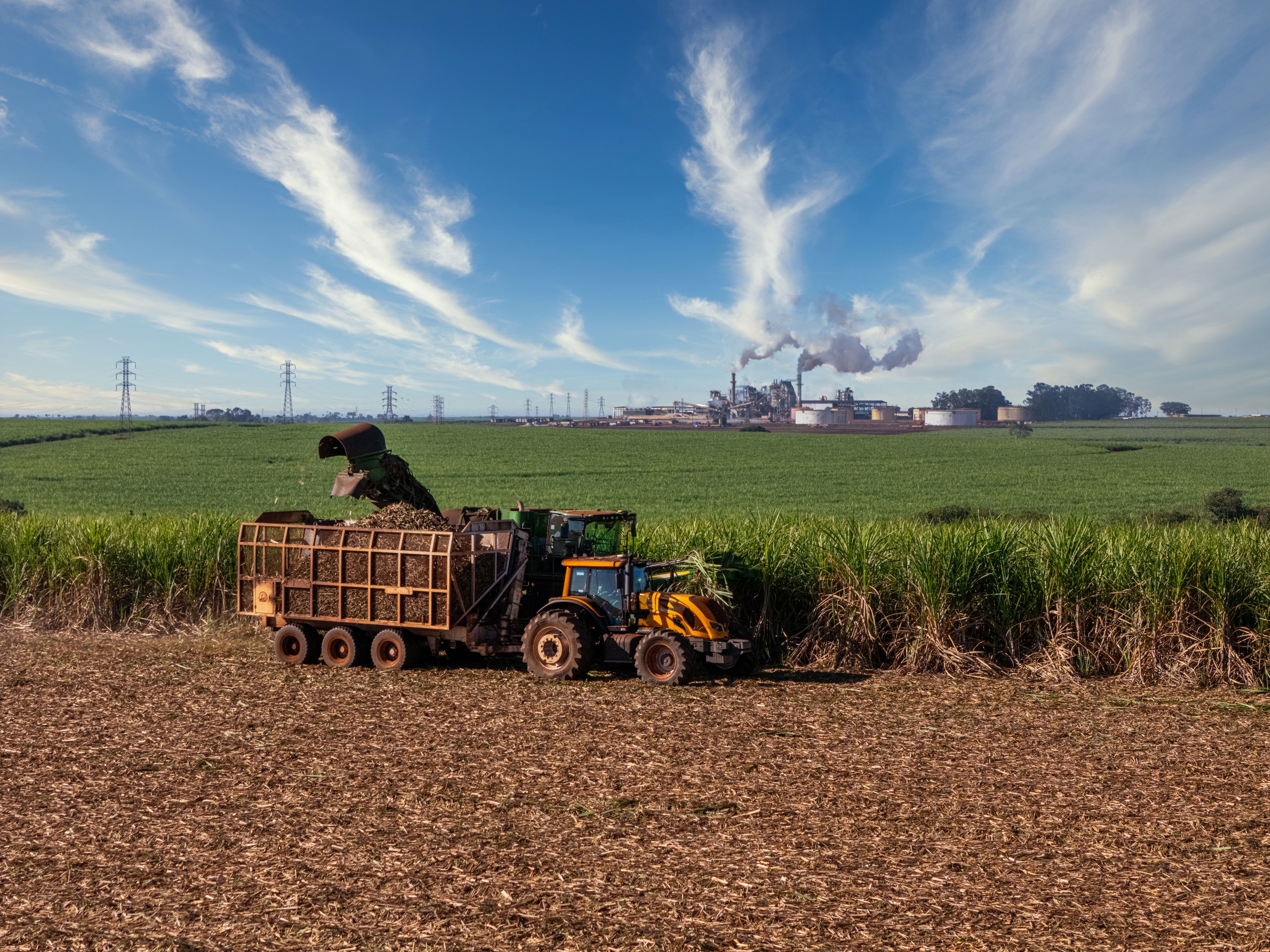
Brazilian sugar is primarily derived from sugarcane, and the country's favorable climate and expansive agricultural lands contribute to its high yield. This makes Brazilian sugar not only abundant but also competitively priced in the global market. However, importers must navigate various regulatory, logistical, and quality considerations to ensure a smooth import process.
Regulations and Compliance
When importing Brazilian sugar, compliance with both Brazilian and international regulations is paramount. Brazil imposes specific export regulations that must be adhered to, including quality standards and certification requirements. Importers should also be aware of tariffs and duties that may apply in their home country.
Ensuring that all documentation is in order is critical. This typically includes obtaining a phytosanitary certificate, a certificate of origin, and any other necessary permits. Working with experienced customs brokers can help streamline this process and mitigate risks associated with regulatory compliance.
Choosing the Right Supplier
Selecting a reputable supplier is another key aspect of importing Brazilian sugar. The market is populated by numerous producers, ranging from large-scale operations to smaller, specialized farms. Importers should conduct thorough due diligence to assess the reliability and quality standards of potential suppliers.
Considerations such as the supplier’s production capacity, their track record in international trade, and their adherence to sustainable farming practices can significantly impact the success of your import venture. Establishing strong relationships with suppliers can also lead to better terms and a more reliable supply chain.
Logistics and Transportation
The logistics of transporting sugar from Brazil to your destination is a critical component of the import process. Brazil's extensive network of ports facilitates the export of sugar, but importers must decide on the most cost-effective and efficient shipping methods.
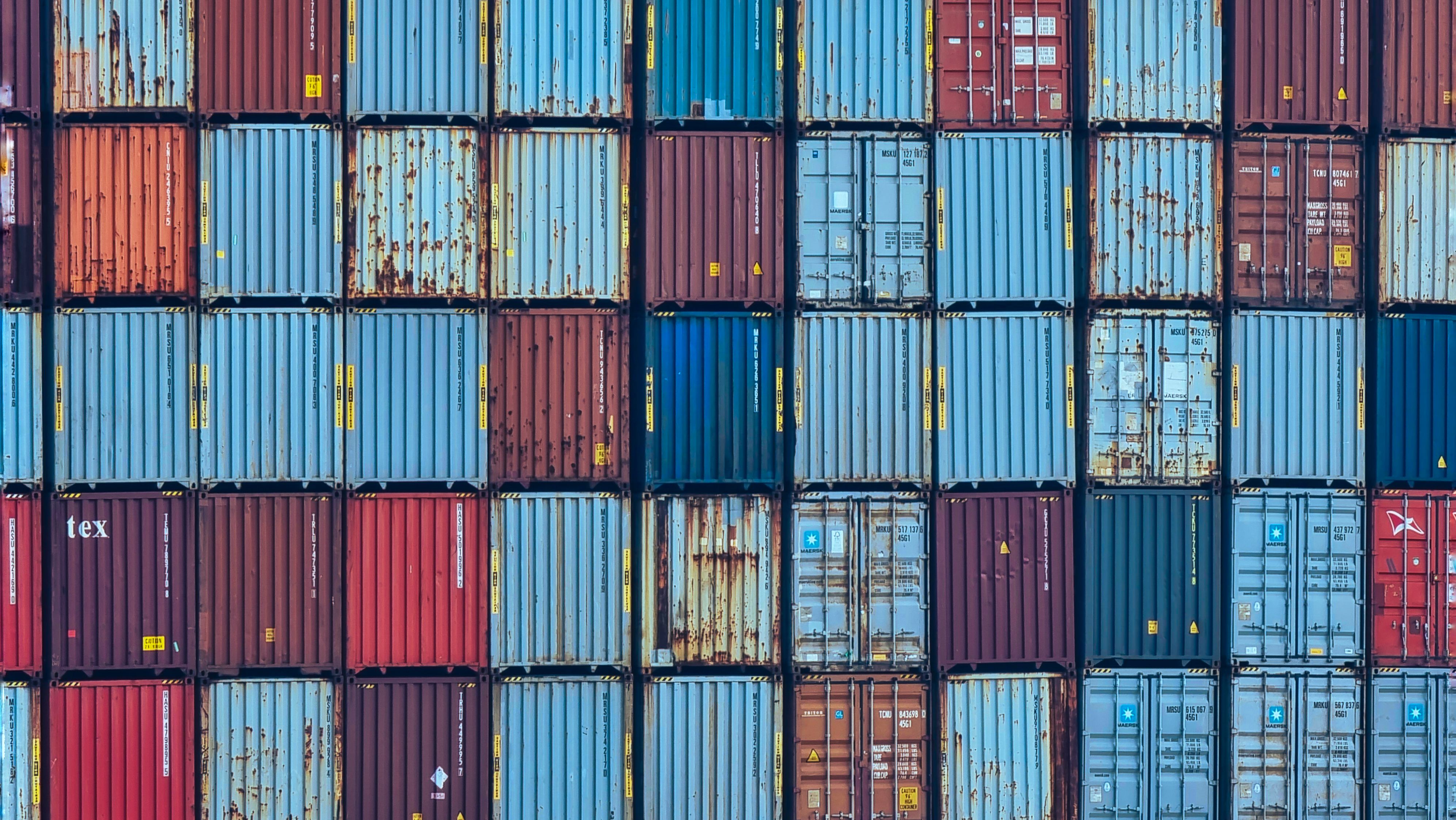
Containerized shipping is a common choice for sugar imports, offering protection from environmental factors and ease of handling. Importers should also consider the logistics involved in transporting sugar to and from ports, including trucking and warehousing solutions.
Quality Assurance and Sustainability
Quality assurance is indispensable when importing sugar. Brazilian sugar producers often adhere to rigorous quality checks, but importers should implement their own quality control measures to ensure product integrity upon arrival.
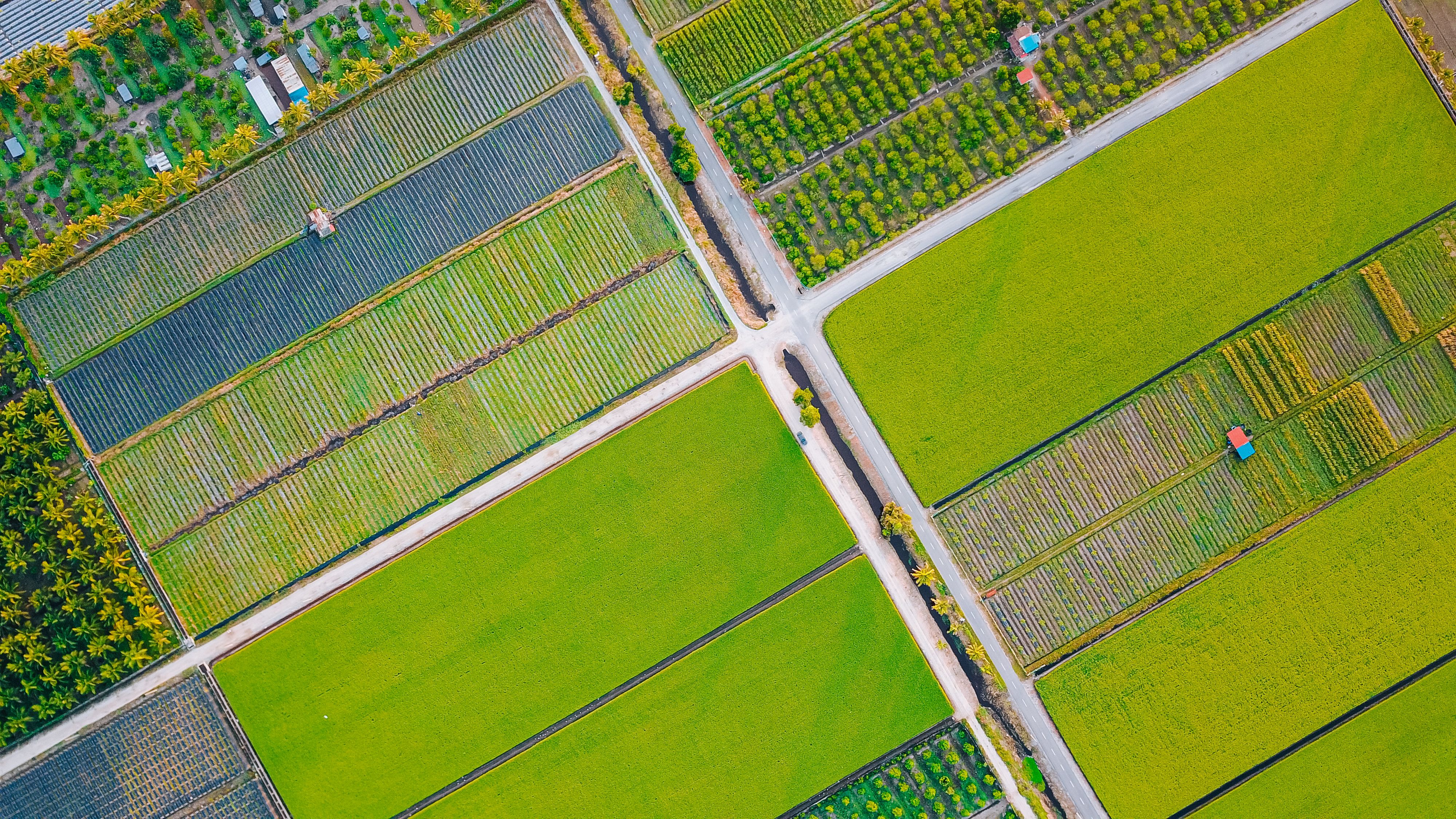
Sustainability is increasingly a concern for consumers and businesses alike. Importers should evaluate the sustainability practices of their suppliers, including efforts to reduce environmental impact and support local communities. Certifications such as Fair Trade and Rainforest Alliance can be indicators of a supplier's commitment to sustainable practices.
Market Trends and Future Outlook
The global demand for sugar continues to rise, driven by population growth and changing consumption patterns. Importers must stay informed about market trends and shifts in consumer preferences to capitalize on opportunities in the Brazilian sugar market.
Brazil's commitment to innovation in agricultural techniques and sustainable practices positions it well for future growth. Importers who establish themselves in the Brazilian sugar market today are likely to benefit from long-term stability and profitability.