How to Successfully Trade with Brazil: A Comprehensive Guide


Understanding Brazil's Market
Brazil is a vibrant and dynamic market, offering numerous opportunities for international traders. As the largest economy in South America, it is a hub for various industries, from agriculture to technology. Understanding the cultural, economic, and regulatory environment is essential for anyone looking to trade successfully with Brazil.
The country's consumer base is large and diverse, with a growing middle class eager for new products and services. However, entering this market requires a strategic approach and a thorough understanding of local business practices.

Researching the Market
Before diving into trading with Brazil, conducting comprehensive market research is crucial. This involves understanding consumer preferences, identifying key competitors, and recognizing market trends. Utilize resources such as trade reports, market analysis, and industry publications to gather insights.
Additionally, it is beneficial to connect with local experts or consultants who can provide valuable guidance and insights into the Brazilian market dynamics.
Navigating Trade Regulations
Brazil has specific trade regulations that international traders must adhere to. These include import taxes, tariffs, and various compliance requirements. To ensure a smooth trading process, familiarize yourself with Brazil’s customs regulations and necessary documentation.
Working with a customs broker or a logistics partner can simplify the process and help avoid potential pitfalls related to compliance and regulatory issues.

Building Strong Relationships
In Brazil, personal relationships are key to successful business dealings. Establishing trust and rapport with your Brazilian counterparts can lead to more fruitful collaborations. Networking, attending trade shows, and participating in industry events can help you build these connections.
Understanding cultural nuances and business etiquette can also make a significant difference. Brazilians value face-to-face meetings and prefer direct communication, so investing time in building relationships is essential.
Utilizing Local Partnerships
Partnering with local businesses can provide a strategic advantage when entering the Brazilian market. This can include distributors, agents, or joint ventures that have an established presence and understanding of the local landscape.
Such partnerships can help navigate the complexities of the market, provide local insights, and enhance your brand's credibility among Brazilian consumers.

Adapting to Local Preferences
Adapting your products or services to meet local tastes and preferences can significantly enhance your success in Brazil. This may involve altering product features, packaging, or marketing strategies to align with Brazilian consumer expectations.
Engaging in local market research and gathering feedback from consumers can help tailor your offerings effectively.
Ensuring Effective Logistics
Efficient logistics and supply chain management are vital for trading with Brazil. Given the country’s size and diverse geography, understanding the logistics landscape is crucial. This includes selecting reliable shipping and distribution partners and optimizing supply chain operations.
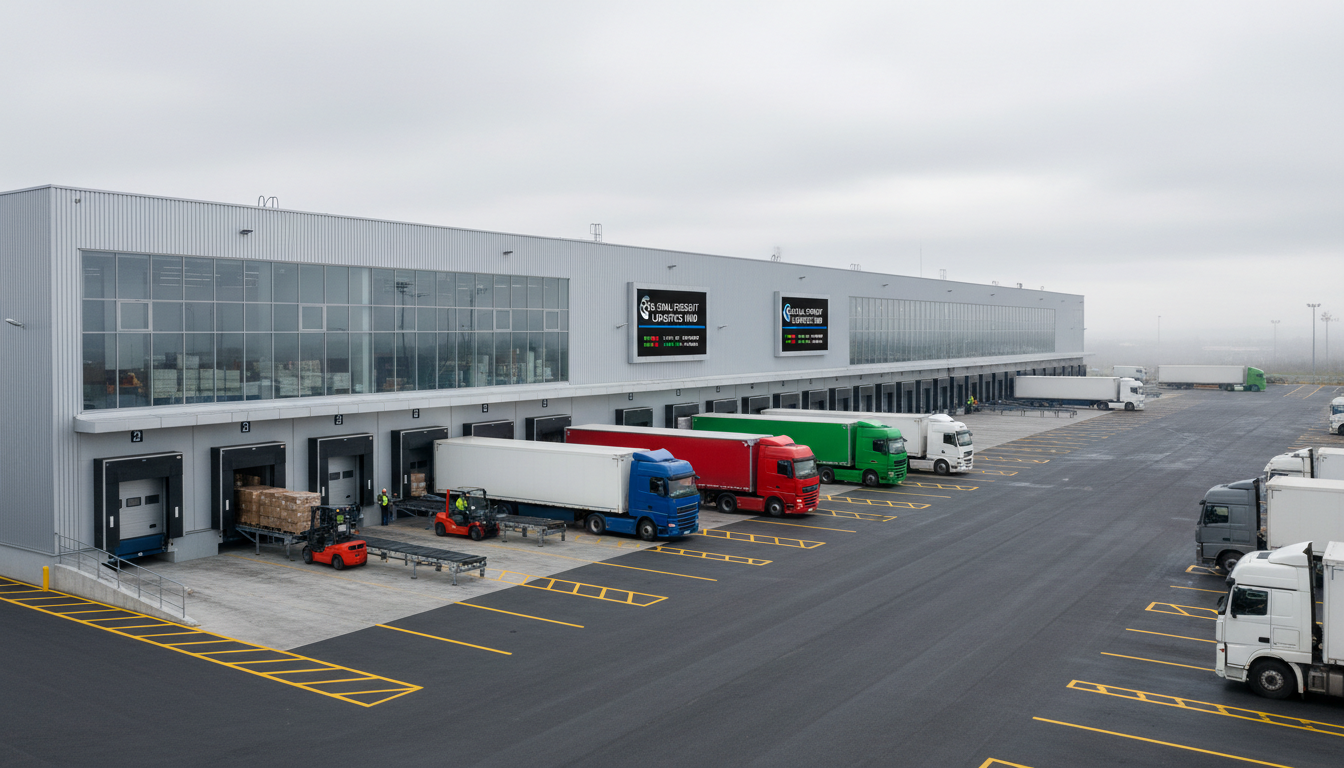
Consider factors such as transportation infrastructure, regional distribution networks, and potential challenges related to customs clearance and delivery timelines.
Evaluating Economic Conditions
Keeping an eye on Brazil's economic conditions is essential for making informed trading decisions. Economic indicators such as inflation rates, currency exchange rates, and GDP growth can impact your trading strategy.
Staying updated with economic news and forecasts will help you mitigate risks and adapt your strategy to changing market conditions.