How to Navigate Logistics for Brazilian Imports: A Duval County Perspective


Understanding the Brazilian Import Market
Importing goods from Brazil can be a lucrative venture, given the country's vast array of products ranging from agricultural commodities to industrial goods. However, navigating the logistics of Brazilian imports requires a nuanced understanding of both local and international regulations. In Duval County, businesses must be particularly mindful of these logistics to ensure smooth operations.
Regulatory Framework and Compliance
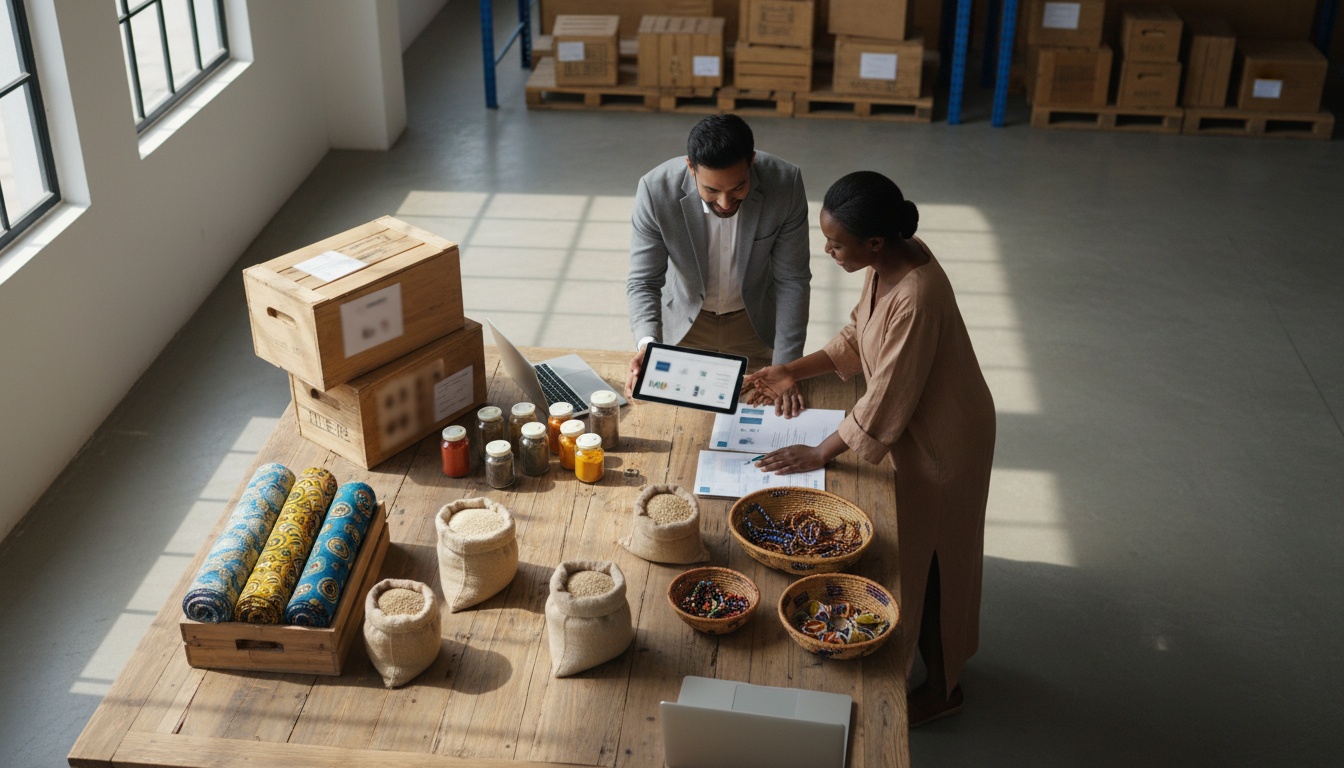
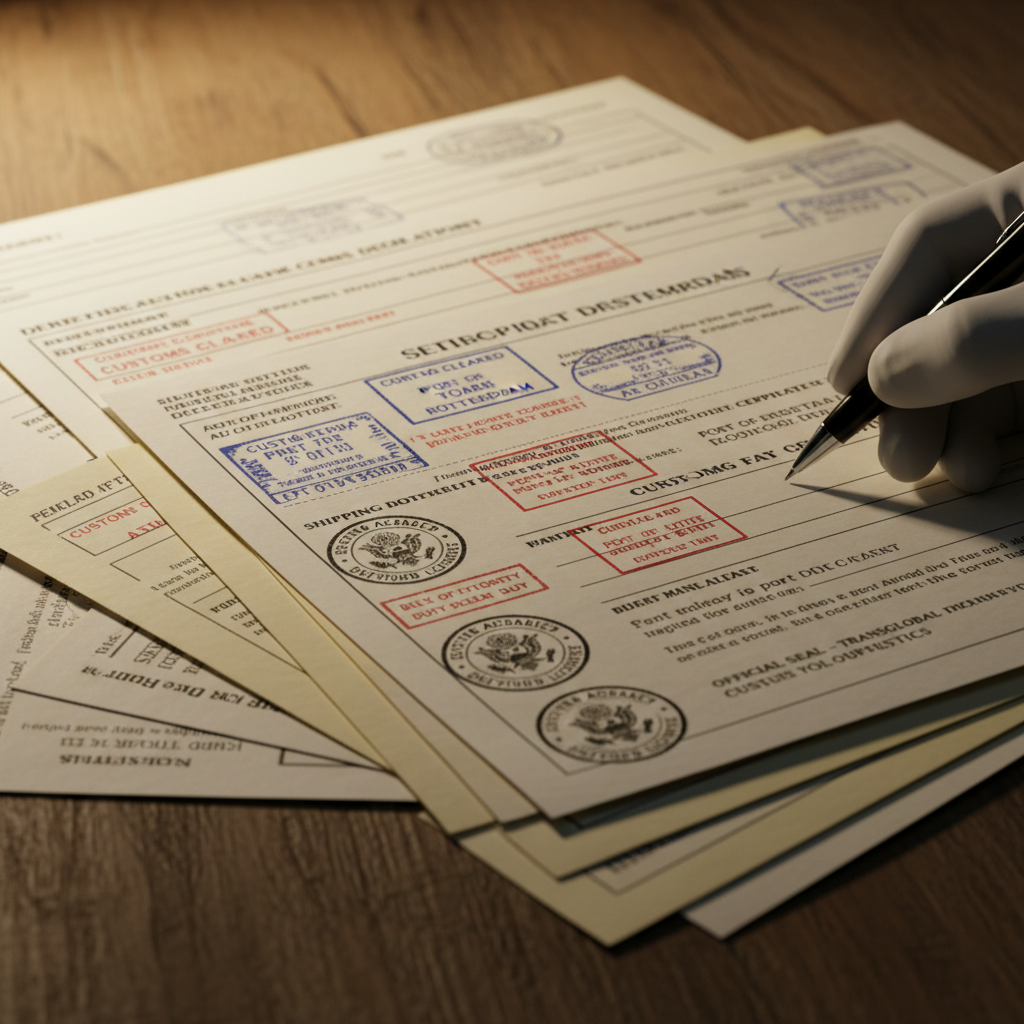
One of the first steps in importing from Brazil is understanding the regulatory framework. Brazil has specific export laws, and compliance is essential to avoid delays and potential fines. Duval County businesses must ensure they adhere to both Brazilian and U.S. import regulations. Key documents include the Bill of Lading, Commercial Invoice, and Import License.
In addition, importers must be aware of tariffs and duties that might apply. Engaging with a customs broker familiar with Brazilian imports can be invaluable. They can help navigate complex paperwork and ensure compliance with all regulatory requirements.
Choosing the Right Shipping Method
The choice of shipping method will impact both cost and delivery time. Businesses can choose between air freight and sea freight. Air freight is faster but more expensive, making it suitable for high-value or time-sensitive goods. On the other hand, sea freight is more economical for large volumes of goods that are not as time-sensitive.
It's crucial to partner with a logistics company that has experience in Brazilian imports. Such companies can provide insights into the best shipping routes, consolidate shipments to reduce costs, and ensure timely deliveries.
Managing Port Operations in Duval County
Once shipments arrive in the U.S., they are typically processed at major ports. In Duval County, the Port of Jacksonville plays a critical role in handling imports. Familiarity with port operations can expedite the handling of cargo and reduce demurrage charges.
Businesses should also consider the use of bonded warehouses in the area to store goods temporarily. This can be particularly useful if there are delays in customs clearance or if goods need to be stored before distribution.
Leveraging Technology for Efficient Logistics
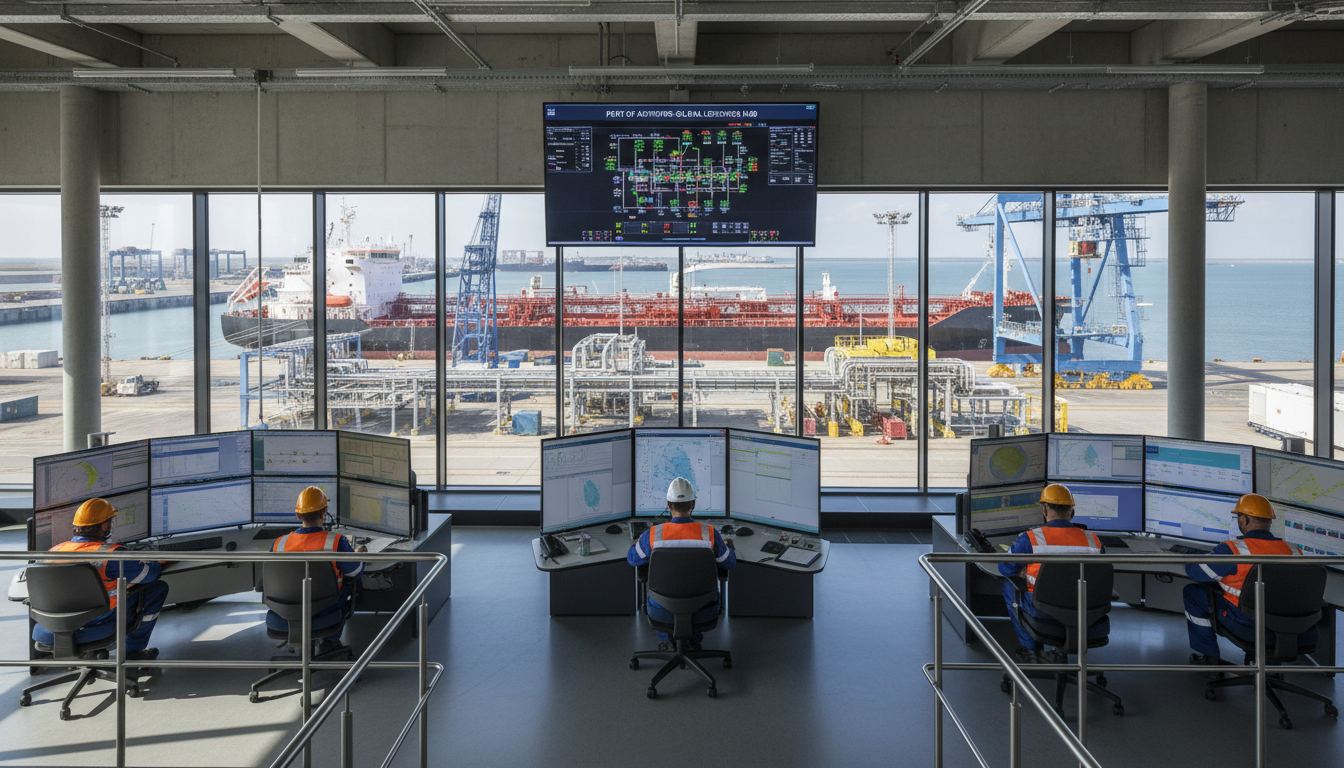
Technology plays a pivotal role in the logistics process. From real-time tracking systems to automated documentation, leveraging the right technology can streamline operations and enhance efficiency. Many logistics companies offer platforms that allow businesses to monitor shipments in real-time, ensuring transparency and timely updates.
Additionally, technology can assist in inventory management, helping businesses keep track of stock levels and anticipate demand accurately. This is particularly useful for companies dealing with perishable goods or items with a short shelf life.
Building Strong Partnerships
Successful import operations often rely on strong partnerships with suppliers, logistics providers, and regulatory bodies. Establishing and maintaining good relationships can lead to smoother transactions, better pricing, and preferential treatment during peak times.
Networking with industry peers in Duval County can provide additional insights and resources, helping businesses stay informed about changes in trade policies or logistics innovations.

Conclusion
Importing from Brazil presents both opportunities and challenges. By understanding the regulatory landscape, selecting the appropriate shipping methods, and leveraging technology, Duval County businesses can navigate the complexities of Brazilian imports efficiently. Building strong partnerships and staying informed about industry trends will further enhance success in this dynamic market.