How Seasonal Changes Affect Brazilian Fruit Exports


Introduction to Brazilian Fruit Exports
Brazil is renowned for its vibrant and diverse agriculture, particularly in fruit production. The country's vast landscapes and rich soil contribute to an array of exotic fruits that are exported worldwide. However, these exports are significantly influenced by seasonal changes.
Understanding how different seasons impact Brazilian fruit exports is crucial for stakeholders in the agriculture and trade sectors. From fluctuations in supply to changes in fruit quality, various factors come into play.

Seasonal Variations and Their Impact
Harvesting Seasons
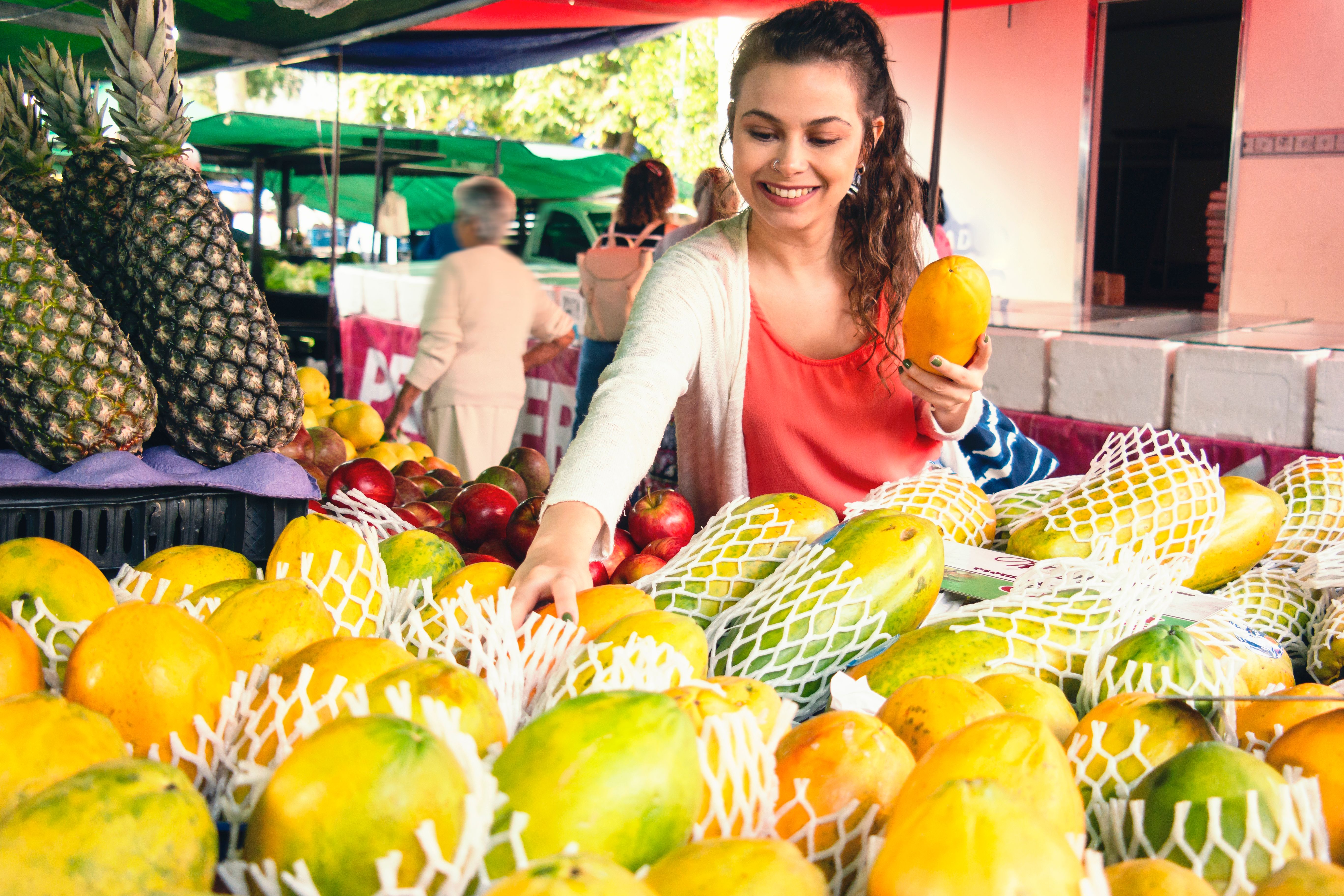
Brazil's unique climate allows for multiple harvests throughout the year, but seasonal changes can affect when fruits are at their peak. For example, mangoes thrive in the dry season, while papayas are more abundant during the wet months. These variations dictate the timing and volume of exports.
Supply and Demand
Seasonal fluctuations can lead to shifts in supply and demand. During peak seasons, an abundance of fruit leads to lower prices, encouraging more exports. Conversely, off-season periods may result in higher prices and reduced export volumes.
Climate Change and Its Effects
Unpredictable Weather Patterns
Climate change introduces uncertainties in weather patterns, affecting fruit production cycles. Unpredictable rainfall and temperature changes can disrupt the growth and harvesting of fruits, impacting their availability for export.
Adapting to Changes
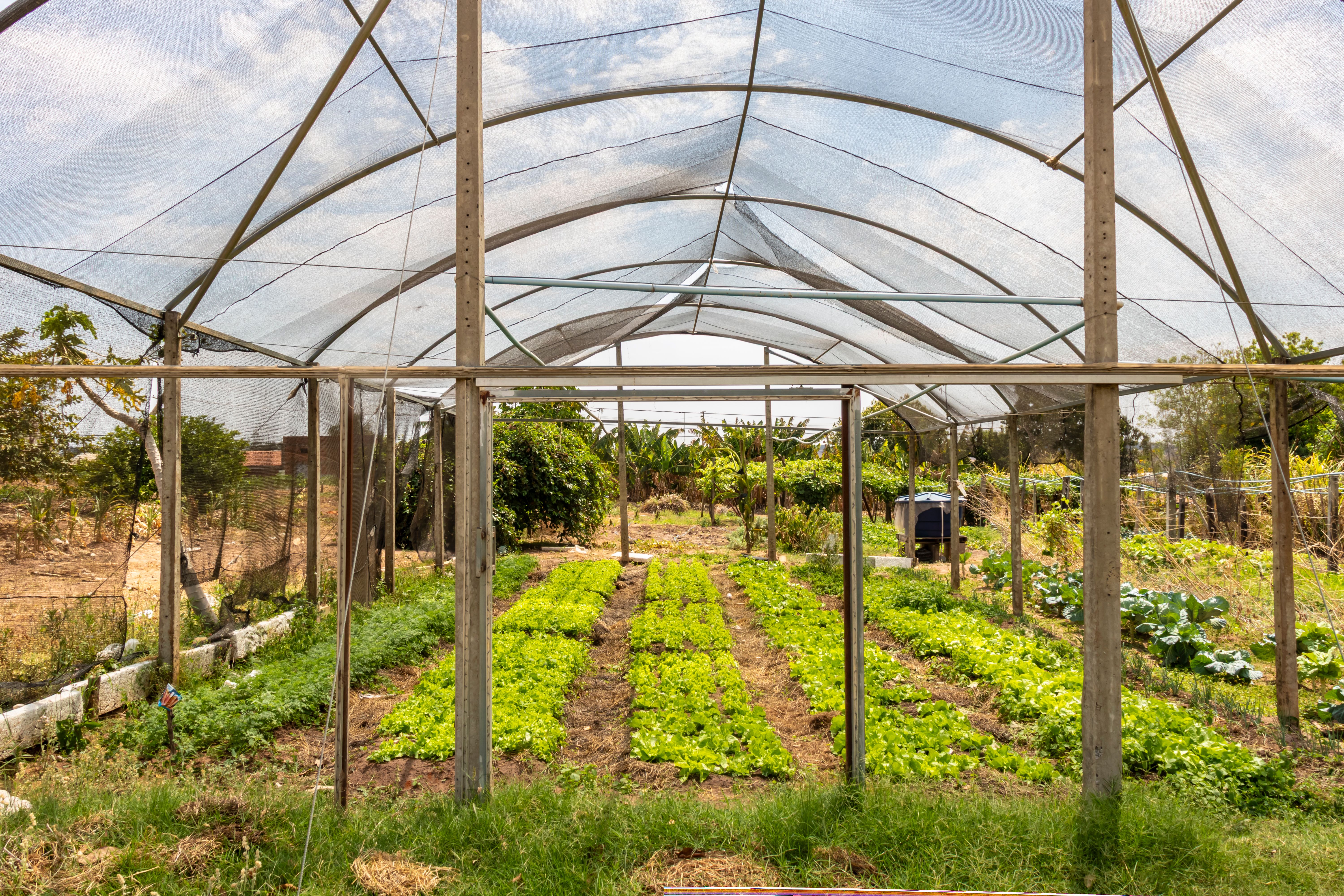
To combat these challenges, Brazilian farmers are adopting innovative techniques such as irrigation systems and greenhouse farming. These methods help stabilize production despite climate inconsistencies.
Export Strategies and Adaptations
Diversification of Fruit Varieties
To mitigate the risks posed by seasonal changes, exporters are diversifying the range of fruits they offer. By expanding their portfolio, they can satisfy international demand even when certain fruits are out of season in Brazil.
Investment in Technology
Investment in technology plays a crucial role in enhancing the efficiency and reliability of fruit exports. From advanced logistics to sophisticated supply chain management systems, these innovations ensure that Brazilian fruits reach global markets swiftly and in optimal condition.
Conclusion
The impact of seasonal changes on Brazilian fruit exports is a complex yet fascinating subject. By understanding these dynamics and adopting strategic measures, Brazil continues to thrive as a leader in the global fruit export market. The country's ability to adapt and innovate ensures a consistent supply of high-quality fruits to the world.