Exploring the Brazilian Coffee Market: What Duval County Importers Need to Know


Brazil is renowned for being the largest coffee producer in the world, offering a diverse range of flavors and qualities. For importers in Duval County, understanding the intricacies of the Brazilian coffee market can unlock significant opportunities. This guide explores key aspects of the market, providing valuable insights for successful importing.
Understanding Brazilian Coffee Varieties
Brazilian coffee is incredibly diverse, with several varieties grown across the country. The most popular types include Arabica and Robusta, each offering distinct flavor profiles and characteristics. Arabica is known for its smooth, mild taste, while Robusta is recognized for its strong, bold flavor. Importers should familiarize themselves with these differences to cater to varying consumer preferences.
Moreover, within the Arabica category, there are numerous sub-varieties such as Bourbon, Catuai, and Mundo Novo, each contributing unique tastes and aromas. Understanding these nuances can help importers select the best products for their markets.
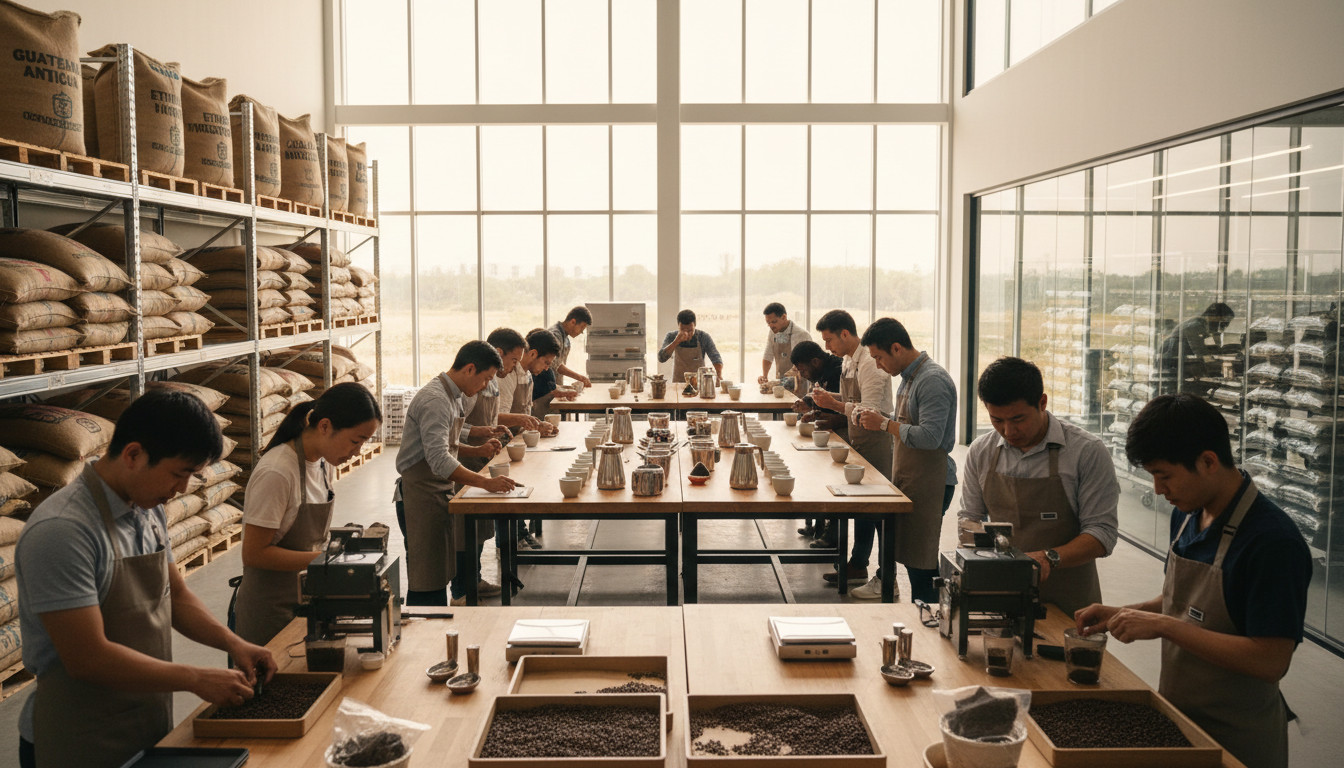
Key Growing Regions
Brazil's coffee-growing regions are mainly concentrated in the southeastern part of the country. Minas Gerais, São Paulo, and Espírito Santo are among the top producers, each offering distinct climatic conditions and soil types that influence coffee quality and taste. Minas Gerais, for example, is famous for its specialty coffees with rich, complex flavors.
Importers should consider the origin of the coffee, as it can greatly impact both quality and marketability. Understanding regional differences can help in creating compelling marketing strategies that highlight the unique attributes of each coffee type.
Quality Control and Certification
Ensuring quality is paramount when importing coffee. Brazilian coffee undergoes rigorous quality control processes, with certifications such as Fair Trade and Rainforest Alliance playing a key role. These certifications not only assure quality but also promote sustainable farming practices.

Importers should look for certified suppliers to guarantee that the coffee meets high standards and aligns with consumer demands for ethically sourced products. Certifications also enhance a brand's image, appealing to environmentally conscious consumers.
Challenges and Considerations
While the Brazilian coffee market offers immense potential, importers must navigate certain challenges. Fluctuations in global coffee prices, changing weather patterns, and logistical hurdles can impact supply chains. Staying informed about these factors is crucial for effective planning and risk management.
Building strong relationships with suppliers and understanding the complexities of international trade regulations are essential steps for importers. Collaborating with reliable partners can help mitigate risks and ensure a steady supply of high-quality coffee.

Market Trends and Consumer Preferences
Consumer preferences in Duval County are shifting towards specialty coffees, with a growing interest in unique flavors and sustainable practices. Importers can capitalize on this trend by offering a diverse range of Brazilian coffees that cater to these evolving tastes.
Additionally, innovations in coffee production and processing, such as micro-lot coffees and single-origin offerings, are gaining popularity. Keeping abreast of these trends can help importers stay competitive and meet the demands of discerning coffee enthusiasts.
In conclusion, exploring the Brazilian coffee market presents exciting opportunities for Duval County importers. By understanding the varieties, regions, quality standards, and market trends, importers can successfully navigate the complexities of this vibrant industry and deliver exceptional coffee experiences to their customers.