Exploring Niobium: Why Import This Valuable Brazilian Resource


Introduction to Niobium
Niobium is a unique and valuable metal, primarily sourced from Brazil, that plays a critical role in various industries worldwide. Known for its exceptional strength and lightweight properties, niobium is increasingly in demand. This post explores why importing this Brazilian resource is essential for technological advancement and industrial growth.

The Characteristics of Niobium
Niobium's physical characteristics make it an indispensable material. It is highly resistant to heat and corrosion, making it ideal for use in high-stress environments. Additionally, when alloyed with steel, it enhances the metal’s strength without adding significant weight, offering a perfect solution for industries focused on durability and efficiency.
Applications in the Steel Industry
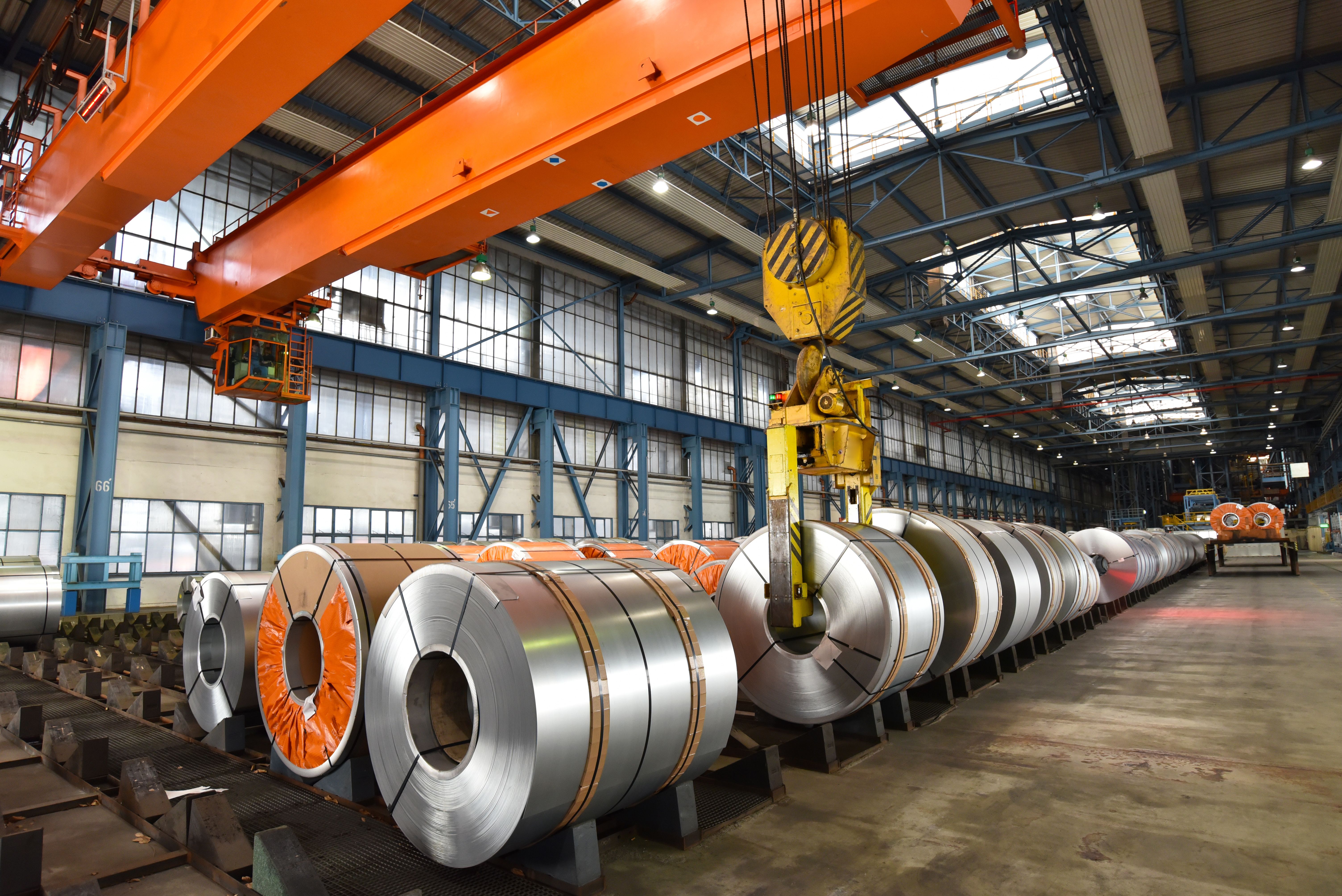
One of the primary uses of niobium is in the steel industry. By adding small amounts of niobium to steel, manufacturers can produce high-strength, low-alloy (HSLA) steels. These steels are critical for constructing bridges, skyscrapers, and pipelines, where strength and reliability are paramount.
Niobium in Technology and Transportation
Beyond the steel industry, niobium plays a vital role in the technology and transportation sectors. Its superconducting properties are crucial for producing MRI machines and other medical equipment. Additionally, niobium alloys are used in jet engines and spacecraft, where both performance and safety are critical.
The Environmental Benefits
Importing niobium also aligns with environmental goals. Niobium-enhanced materials can lead to lighter, more fuel-efficient vehicles, reducing the overall carbon footprint. As industries continue to seek sustainable solutions, niobium's role becomes even more significant.

The Economic Impact of Niobium Imports
Importing niobium from Brazil benefits not only industries but also economies. Brazil holds the majority of the world’s niobium reserves, and its export contributes significantly to the national economy. For importing countries, access to niobium supports technological innovation and infrastructure development.
Challenges and Opportunities
While niobium offers numerous benefits, challenges such as market volatility and geopolitical factors can impact its supply. However, these challenges also present opportunities for investment in research and development, ensuring a stable and sustainable supply of this critical resource.

Conclusion
In conclusion, niobium is a versatile and valuable resource with applications spanning multiple industries. By importing this Brazilian metal, countries can enhance their technological capabilities, contribute to environmental sustainability, and support economic growth. As the demand for advanced materials continues to rise, niobium’s importance on the global stage is set to increase.