Expert Tips for Navigating Import Regulations in Duval County


Understanding Import Regulations in Duval County
Navigating import regulations in Duval County can seem daunting, especially for businesses new to international trade. Understanding these regulations is crucial to ensuring smooth and compliant operations. This guide provides expert tips to help you manage the import process efficiently.

Research and Documentation
The first step in managing import regulations is thorough research. Familiarize yourself with Duval County's specific requirements, which may differ from other regions. Key documents often needed include a commercial invoice, bill of lading, and a certificate of origin. Ensuring these documents are accurate and complete is essential.
It's also advisable to consult the U.S. Customs and Border Protection (CBP) website for the latest updates on import requirements. Staying informed about changes in laws and tariffs can prevent unexpected delays and fees.
Partnering with a Customs Broker
Working with a licensed customs broker can significantly ease the import process. These professionals have the expertise to navigate complex regulations and ensure compliance. They can assist with filing necessary paperwork and provide guidance on tariff classifications and duty rates.

When choosing a customs broker, consider their experience with the types of goods you plan to import and their familiarity with Duval County's specific regulations. A good broker can be an invaluable ally in your import operations.
Understanding Tariffs and Duties
Tariffs and duties are a major component of import regulations. These charges can vary based on the type of goods, their origin, and current trade agreements. It's crucial to classify your goods correctly under the Harmonized Tariff Schedule (HTS) to determine applicable duties.
Consider using duty drawback programs where applicable. These programs can allow you to reclaim a portion of duties paid on imported goods that are subsequently exported.

Compliance and Record-Keeping
Maintaining compliance with import regulations involves diligent record-keeping. Keep detailed records of all transactions, including invoices, shipping documents, and correspondence with suppliers and authorities. These records are not only essential for audits but also help in resolving any disputes that may arise.
Regular audits of your import processes can identify areas for improvement and ensure continued compliance. Implementing a robust compliance program can protect your business from penalties and enhance your reputation as a reliable importer.
Leveraging Technology for Import Management
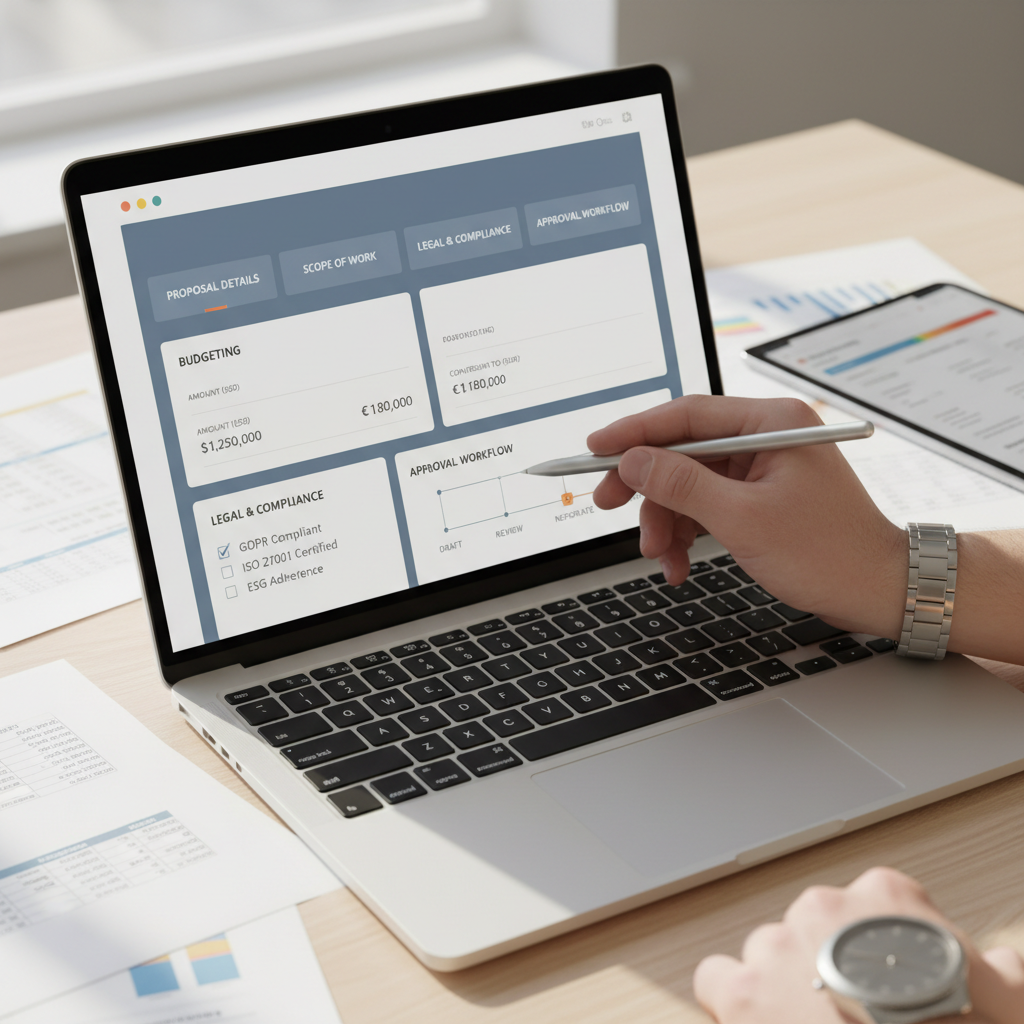
Technology can play a vital role in streamlining import operations. Consider using specialized software that automates documentation and tracks shipments. Such tools can provide real-time updates and analytics, helping you make informed decisions and respond quickly to any issues.
Investing in technology not only improves efficiency but also reduces the risk of errors, ensuring a smoother import process.
Stay Informed and Adapt
The world of import regulations is constantly evolving. Staying informed about new developments and adapting your strategies accordingly is crucial. Join industry groups, attend seminars, and subscribe to trade publications to keep your knowledge up to date.
By staying proactive and informed, businesses can successfully navigate the complexities of import regulations in Duval County, ensuring compliance and optimizing their operations.