Expert Tips for Navigating Brazilian Sugar Imports


Understanding the Brazilian Sugar Market
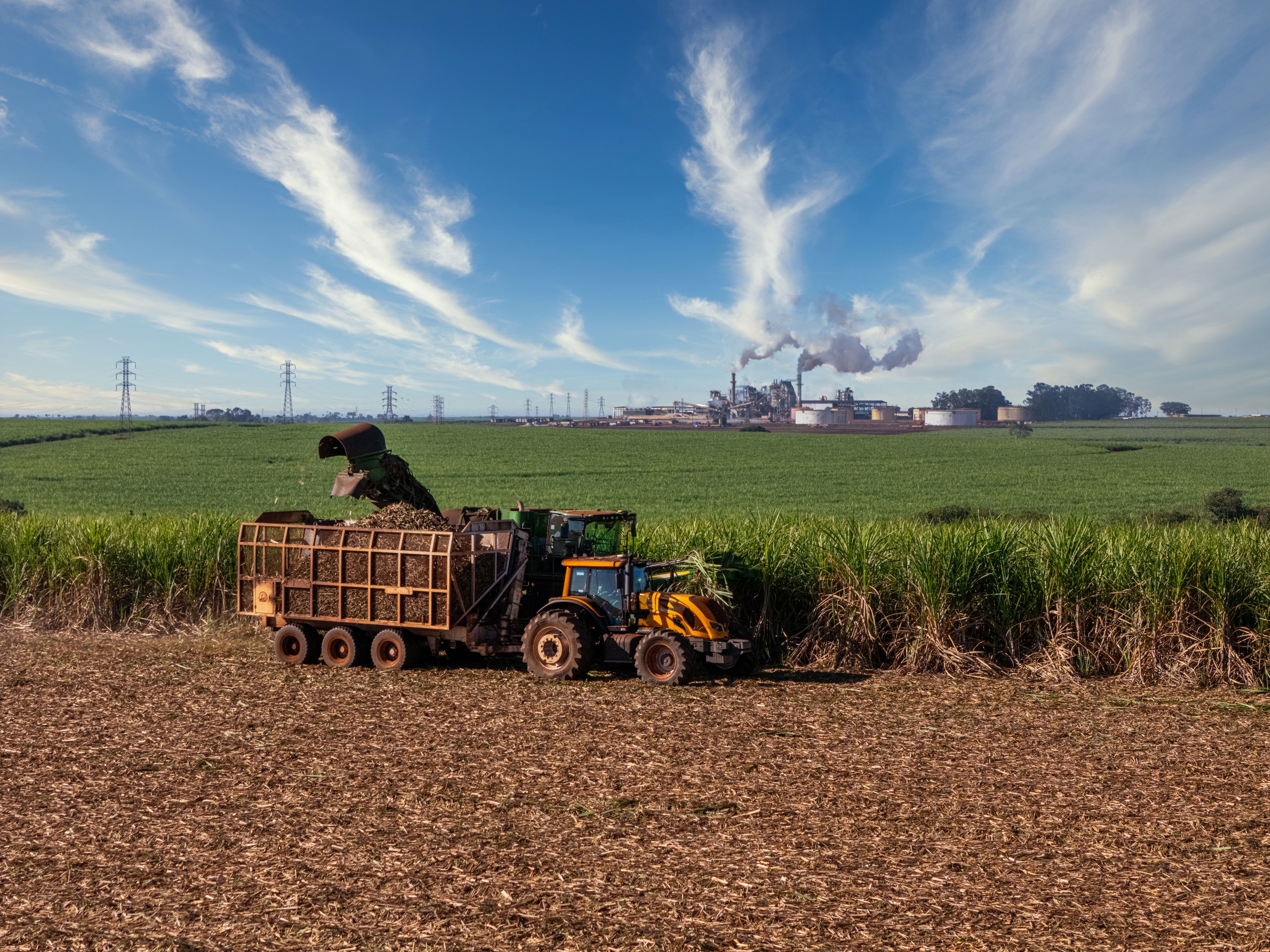
Brazil is one of the largest sugar producers in the world, making it a key player in the global sugar market. Navigating Brazilian sugar imports can be a complex task due to its vast market and various regulations. Understanding the dynamics of this market is crucial for successful importation.
Key Regulatory Considerations
When importing sugar from Brazil, it’s important to be aware of the country’s regulatory framework. Brazil has specific exportation regulations that must be adhered to, including certifications and quality standards. Ensuring compliance with these regulations will help avoid potential legal issues and delays.
Working with a knowledgeable customs broker can greatly simplify the import process. These professionals can provide guidance on necessary documentation, duties, and taxes, ensuring a smooth transaction.
Building Strong Relationships with Suppliers
Establishing solid relationships with Brazilian suppliers is essential for securing a reliable supply of sugar. It’s advisable to conduct thorough due diligence on potential suppliers to verify their credibility and track record. Building trust through consistent communication can lead to long-term partnerships.

Quality Assurance and Logistics
Quality assurance is a critical aspect when importing sugar from Brazil. Implementing rigorous quality checks can ensure that the sugar meets your standards and those of your local market. It is beneficial to work with suppliers who have accredited quality certifications.
Logistics is another important consideration. Efficient transportation and storage solutions must be planned to maintain the quality of the sugar during transit. Collaborating with logistics experts can help optimize these processes.
Market Trends and Opportunities
Staying informed about market trends in the Brazilian sugar industry can provide valuable insights. The demand for organic and sustainably sourced sugar is growing, offering new opportunities for importers willing to adapt to these trends.

Leveraging Trade Agreements
Exploring trade agreements between Brazil and your country can offer financial advantages, such as reduced tariffs. These agreements can make Brazilian sugar more competitive in your local market, ultimately benefiting your bottom line.
By understanding and leveraging these agreements, importers can gain a strategic edge, allowing them to offer more attractive pricing to their customers.
Conclusion
Navigating Brazilian sugar imports involves understanding the market, complying with regulations, building strong supplier relationships, ensuring quality, and staying informed about market trends. By focusing on these key areas, importers can successfully tap into one of the world’s most vibrant sugar markets.