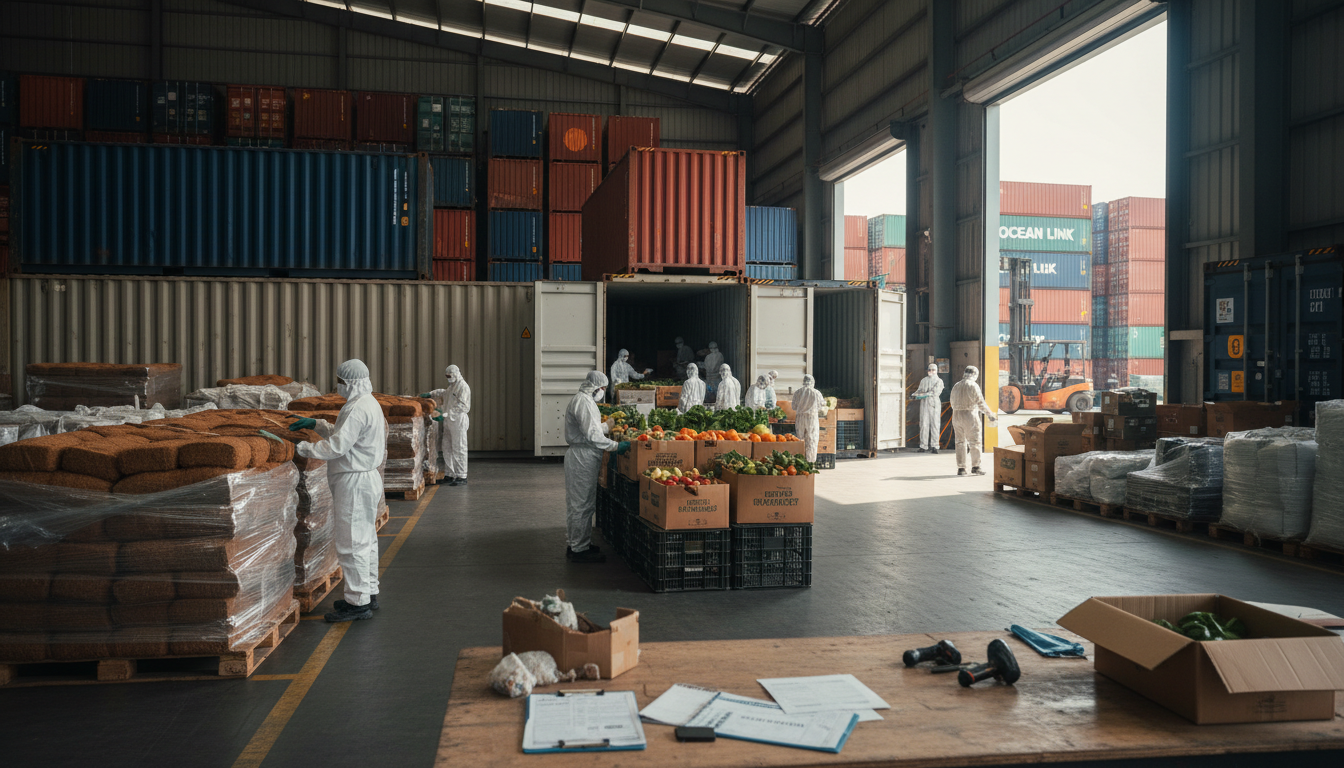
Essential Customs Brokerage Tips for Brazilian Goods


Understanding the Role of Customs Brokers
When importing goods into Brazil, a customs broker plays a crucial role. These professionals specialize in navigating the complex regulations and ensure compliance with all necessary import laws. **Partnering with a reliable customs broker** can streamline the process, reduce delays, and help avoid costly fines.
Customs brokers assist with documentation, communicate with customs officials, and provide valuable insights into tariff classifications. They are your guides through the intricate landscape of international trade.

Key Documentation Requirements
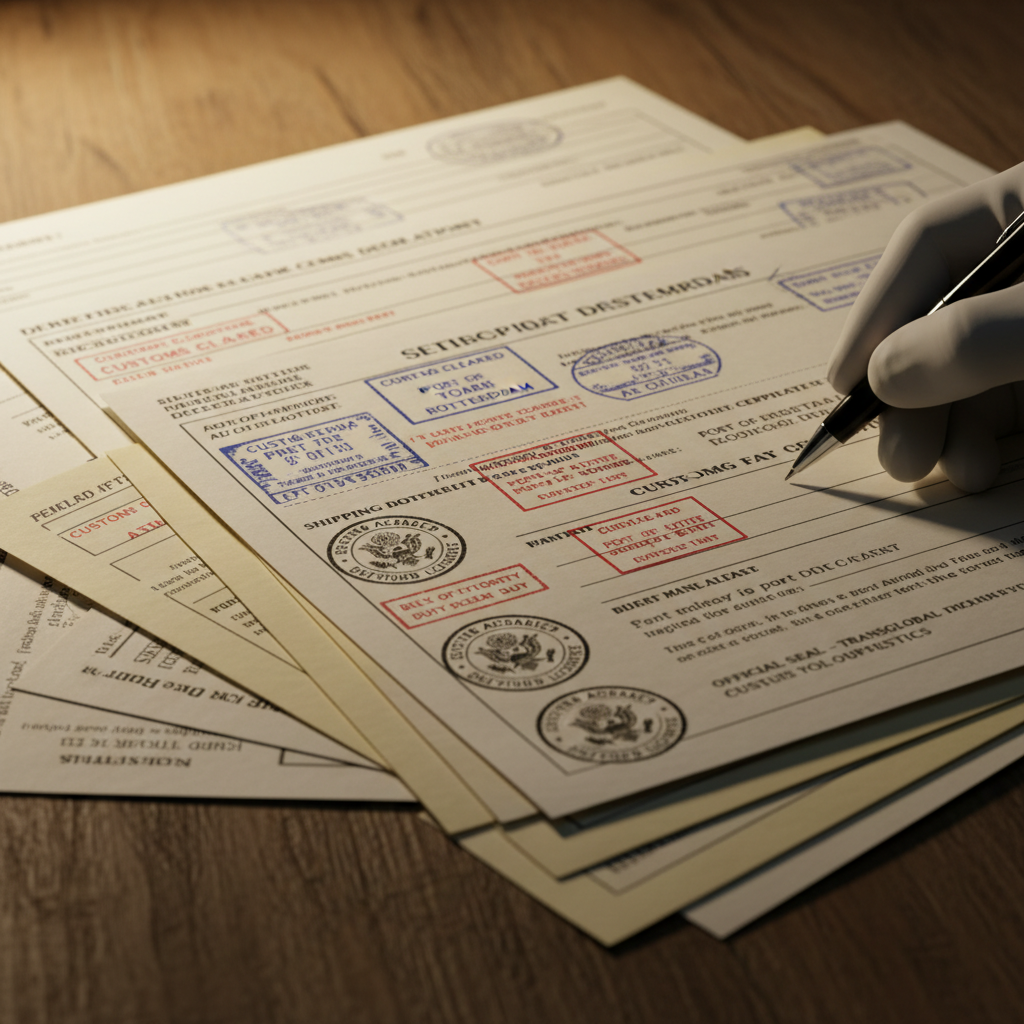
Proper documentation is the backbone of successful customs clearance. **Essential documents** include the commercial invoice, packing list, and certificate of origin. Ensuring accuracy and completeness in these documents is critical to avoid unnecessary delays.
Additionally, import licenses or permits may be required for specific goods. Collaborating with your customs broker to verify these requirements can save time and resources.
Understanding Tariffs and Taxes
Brazil imposes various tariffs and taxes on imported goods. **Familiarizing yourself with the Import Duty (II)**, Industrialized Product Tax (IPI), and the Merchandise and Service Circulation Tax (ICMS) is essential. These taxes vary depending on the product type and its origin.
Your customs broker can help you identify applicable tariffs and suggest strategies to optimize costs, such as leveraging trade agreements or utilizing tax exemptions.
Navigating Brazilian Customs Regulations
Brazilian customs regulations are known for their complexity. Staying informed about updates and changes in these regulations is vital. **Customs brokers stay abreast of these changes**, ensuring that your shipments comply with the latest rules.
Regular communication with your broker can provide insights into regulatory shifts and help adapt your import strategies accordingly.
Time Management and Planning
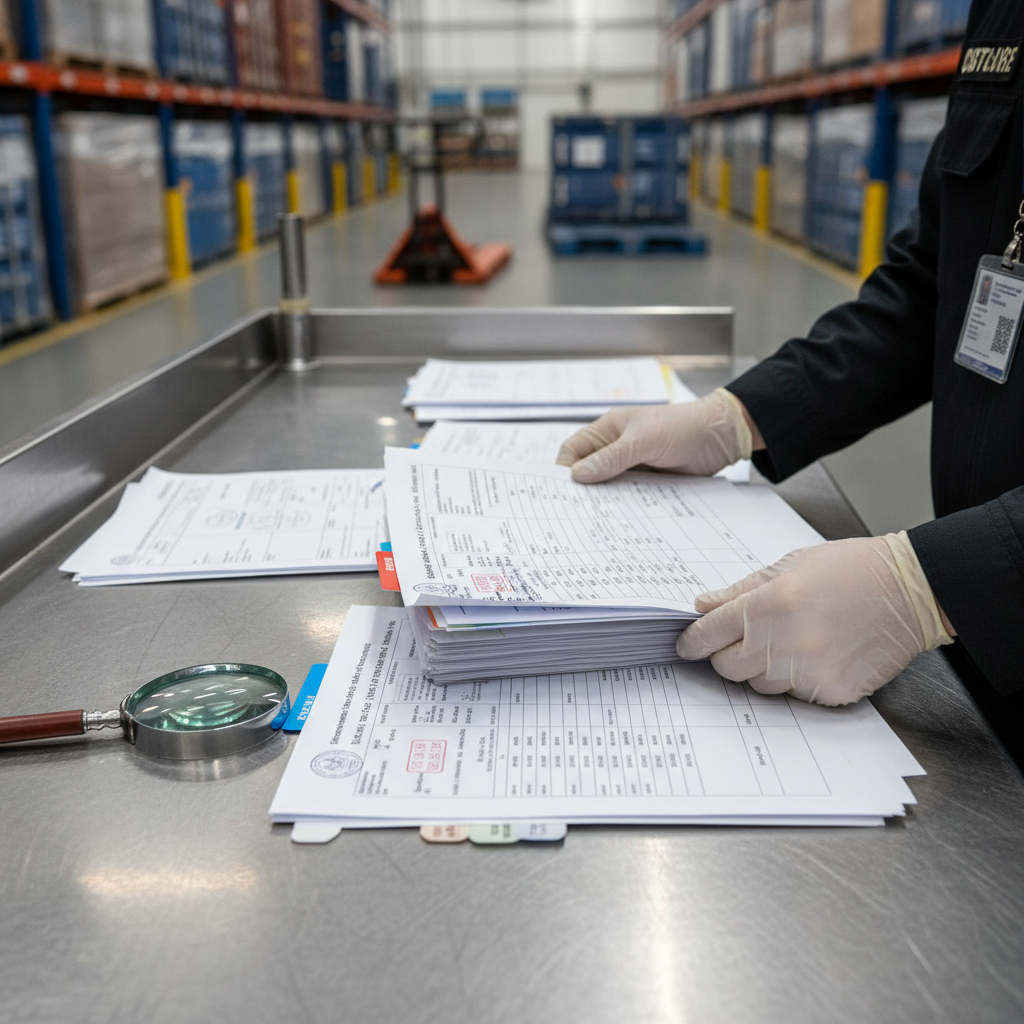
Efficient time management is crucial when importing goods into Brazil. **Advanced planning** and preparation can prevent delays that may arise from unexpected issues. Your customs broker can assist in creating a timeline that aligns with your shipping schedule and ensures timely clearance.
Consider seasonal variations and public holidays that may impact processing times, and work with your broker to anticipate and mitigate potential disruptions.
Leveraging Technology for Efficiency
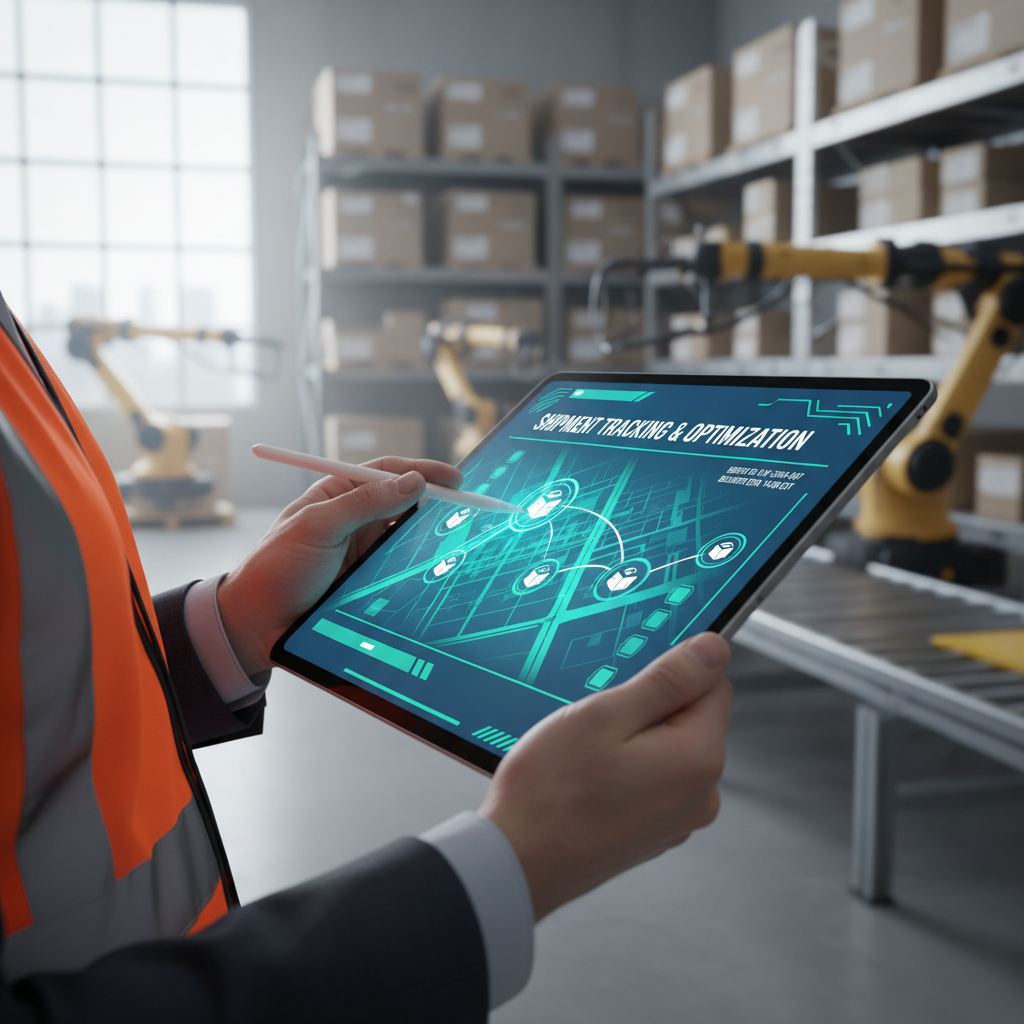
Technology plays a significant role in modern customs processes. Utilizing **digital tools** and platforms can enhance the efficiency of your operations. From electronic documentation to real-time shipment tracking, technology can streamline the customs clearance experience.
Work with your broker to identify and implement technological solutions that suit your business needs, ensuring a smoother import process.
Building Strong Relationships
Establishing strong relationships with customs officials and logistics partners can be advantageous. **A well-connected customs broker** can facilitate these connections, ensuring smoother communication and faster resolutions.
Fostering these relationships can lead to better cooperation and understanding, ultimately improving the efficiency of your import operations.
Conclusion
Importing goods into Brazil requires careful planning and a strategic approach. By partnering with a knowledgeable customs broker, understanding documentation, tariffs, and regulations, and leveraging technology, businesses can navigate the complexities of Brazilian customs with greater ease. **An informed and proactive approach** is key to a successful import process.
Stay engaged with your customs broker, continuously evaluate your strategies, and remain adaptable to changes in regulations and market conditions to ensure ongoing success in your import endeavors.