Building Strong US-Brazil Trade Partnerships: Strategies for Success


Understanding the Importance of US-Brazil Trade Partnerships
The trade relationship between the United States and Brazil is a vital component of the global economic landscape. As two of the largest economies in the Americas, both nations have a unique opportunity to bolster economic growth through strategic partnerships. By focusing on trade, investment, and technological collaboration, these countries can create a more prosperous future.
The US and Brazil share a diverse range of industries, from agriculture to technology, which creates a fertile ground for mutually beneficial trade agreements. By understanding each other's strengths and market needs, businesses can forge strong connections that enhance economic growth.

Strategies for Building Strong Partnerships
Fostering Open Communication
One of the key strategies for building strong US-Brazil trade partnerships is fostering open communication. Encouraging dialogue between businesses, governments, and trade organizations can help identify opportunities and address challenges. Regular meetings, trade forums, and conferences play a critical role in facilitating these conversations and building trust.
Leveraging Technology and Innovation
Another essential strategy is leveraging technology and innovation. Both nations boast a wealth of talent in technology sectors, from software development to renewable energy. By collaborating on technological advancements, US and Brazilian companies can enhance productivity and create cutting-edge solutions for global markets.

Navigating Trade Regulations and Policies
Understanding and navigating trade regulations and policies is crucial for successful partnerships. Both countries have specific import and export regulations that businesses must adhere to. Staying informed about these policies and working closely with legal experts ensures compliance and smooth trade operations.
Moreover, leveraging trade agreements, such as the US-Brazil Trade and Investment Framework Agreement (TIFA), can further ease the process. These agreements provide a framework for dialogue and cooperation, helping to resolve trade issues and promote investment.

Investing in Human Capital
Investing in human capital is another critical component of building strong trade partnerships. Providing training and development opportunities for employees in both countries can enhance skills and productivity. Exchange programs, joint training sessions, and scholarships can foster a deeper understanding and collaboration between US and Brazilian professionals.
Focusing on Sustainability
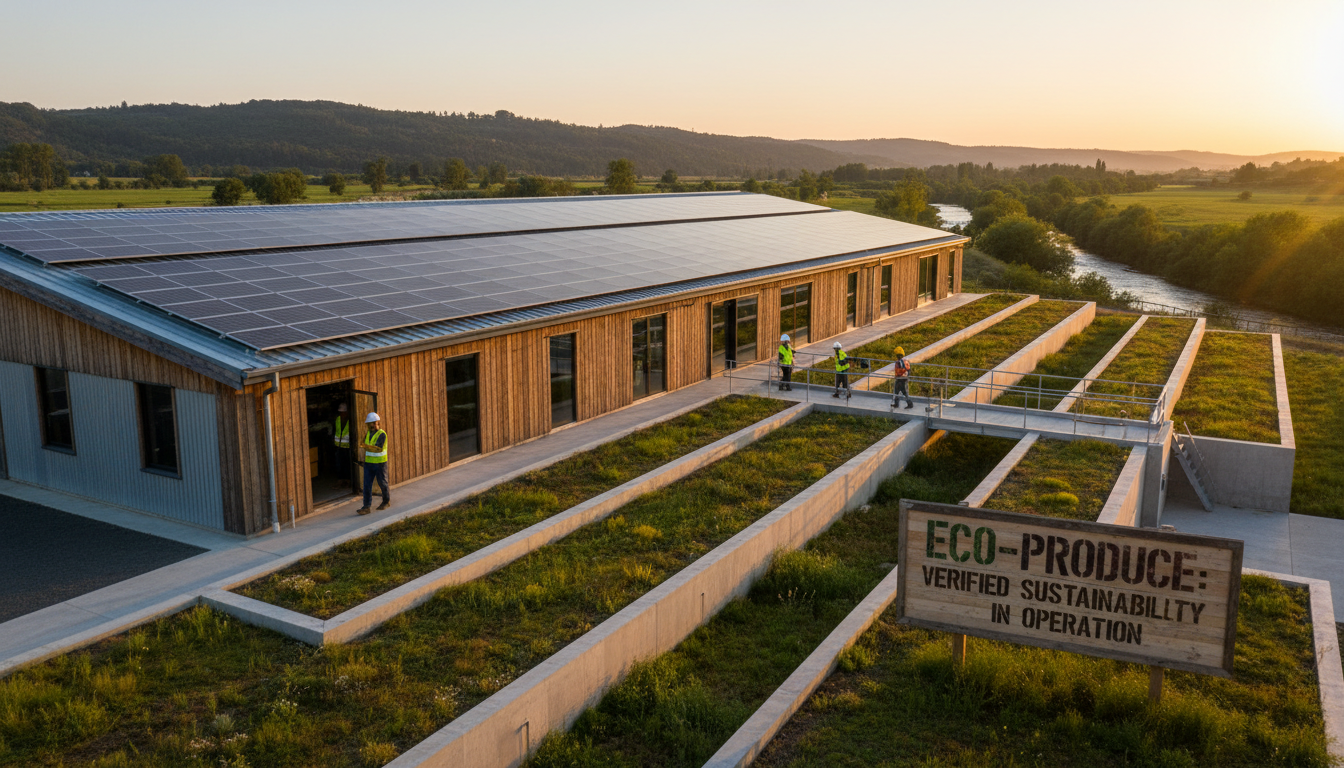
Sustainability is increasingly becoming a focus for businesses worldwide. By integrating sustainable practices into trade partnerships, US and Brazilian companies can not only meet environmental standards but also appeal to a growing base of eco-conscious consumers. This approach can lead to more resilient and future-proof partnerships.
Conclusion: A Path Forward
Building strong US-Brazil trade partnerships requires a multifaceted approach that includes open communication, technological collaboration, understanding regulations, investing in human capital, and focusing on sustainability. By employing these strategies, both nations can unlock new economic opportunities and create a thriving trade environment that benefits businesses and consumers alike.